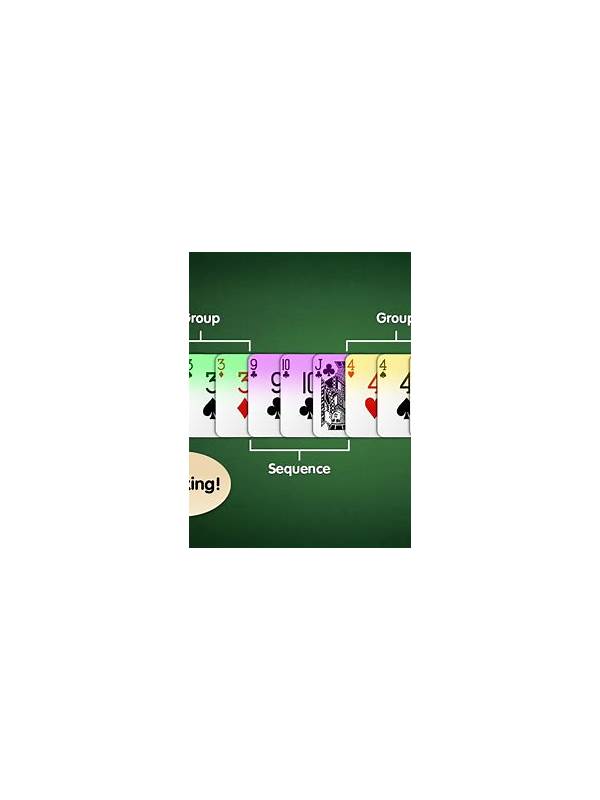
Rummy Safety: Check Device Privacy Before a Session

Before opening an online rummy table, take a minute to check the device you are using. Account safety is not only about the platform. Shared phones, borrowed computers, saved notifications, and unsecured networks can expose information even when your gameplay decisions are sound.
Start with the account boundary. Confirm that you are using the correct official application or website, and do not rely on a link sent by an unknown person. Check the address or app identity through a trusted route. If an unexpected login prompt appears, stop and verify it independently rather than entering credentials into a new screen.
Review the device itself. Lock the screen when you step away, close other people’s sessions, and avoid saving passwords on a shared browser. Turn off message previews if they could display one-time codes or transaction alerts in front of others. Use the device’s normal security updates and screen lock rather than installing an unfamiliar “security” tool offered by a stranger.
Network privacy matters too. Public networks are not automatically dangerous, but they are a reason to avoid sensitive account changes unless you trust the connection. Never share a verification code, password, or payment confirmation with someone claiming to provide technical help. Legitimate support should not need your secret authentication details.
At the end of the session, sign out where appropriate and clear temporary account access from a shared device. Keep personal notes free of identifying numbers and screenshots that reveal balances or profile details. If you suspect unauthorized access, stop using the account and contact the platform through its official support channel.
These checks do not guarantee safety, but they reduce common opportunities for mistakes. A calm privacy routine is easier to follow before the session than after an urgent message appears. Make the routine familiar by using the same short order each time: official source, account boundary, device lock, network, sign-out. If anything seems unusual, pause before proceeding. Security decisions made under pressure are more likely to accept a convincing message or reveal information that should remain private. Use the idea as a prompt for comparison, not as a rigid rule. The cards, table rules, and timing still matter. If the next piece of information changes the balance, update the plan calmly and keep the explanation simple. A practical review can be brief: name the strongest evidence, name the main risk, and decide what would change your mind. This keeps the method usable during a real session and makes later practice notes easier to compare.
Related Post
Rummy Safety: Make a Plan for Disputed Results
A calm evidence checklist can make it easier to resolve a scoring or technical dispute [...]
Rummy FAQ: What Is a Useful Fallback Plan?
Understand how to keep a second route available without scattering attention across too many possibilities. [...]