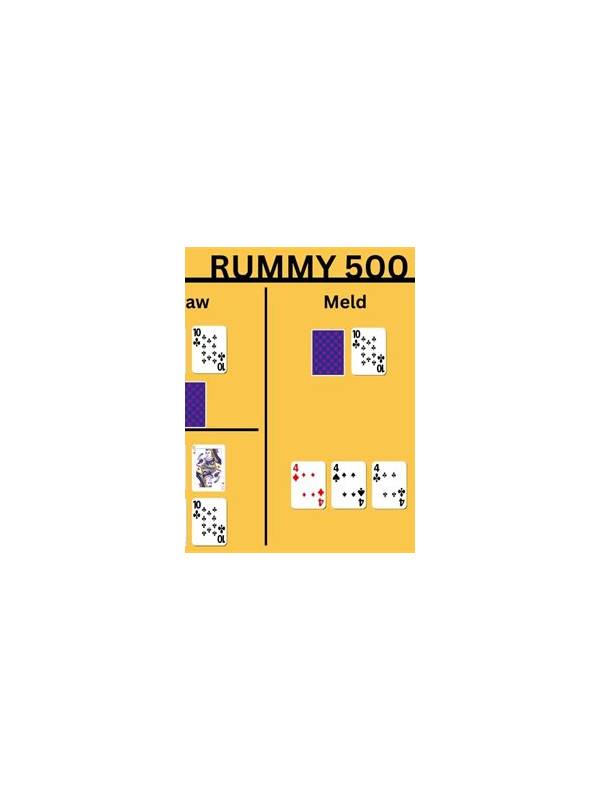
Rummy Guide: Use the Middle of the Hand as a Checkpoint
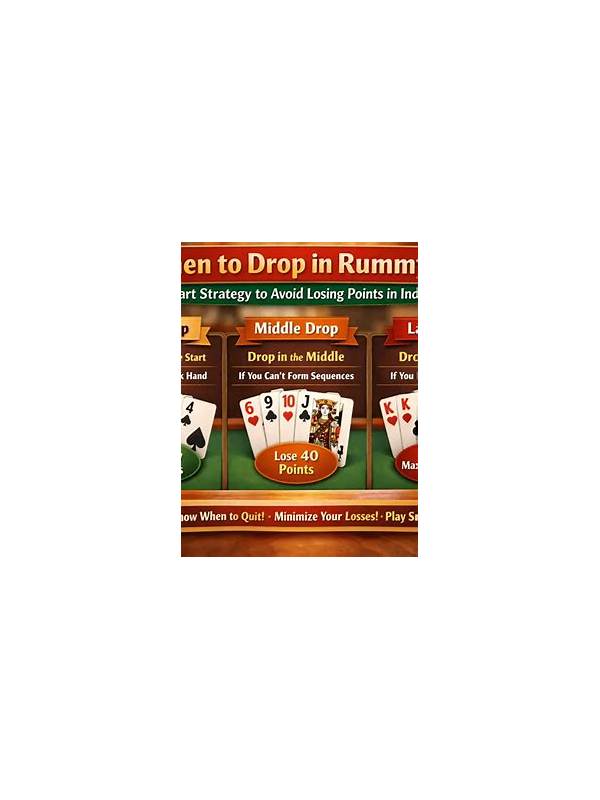
The middle of a rummy hand is an important checkpoint. The opening ideas have had time to develop, but the endgame has not yet forced every decision. Players who review their position at this stage can abandon weak routes early enough to protect the final structure.
Start by separating completed work from hopeful work. A valid sequence or set belongs in the first category. A pair, a gap, or a card waiting for one exact neighbor belongs in the second. This simple separation shows how much of the hand is genuinely secure. Do not let a visually tidy group count as completed unless it satisfies the rules.
Next, count dependencies. A dependency is a card or event your plan still needs. Broad dependencies include several possible ranks or suits; narrow dependencies rely on one precise card. Mark the narrowest route and give it a deadline. If it has not improved by the next review, release it unless it serves a required structure.
Check point exposure as well. High cards in confirmed groups may be reasonable, while isolated high cards deserve attention. Avoid automatic discards: compare the cost of keeping the card with the value of the route it supports and the information your discard may reveal.
Finally, choose one objective for the next two turns. It might be completing a pure sequence, reducing isolated points, or preserving two flexible routes. A single objective is easier to assess than a vague wish to improve everything. At the next checkpoint, ask whether the objective was met and whether it still matters.
This midpoint review is not a prediction of the result. It is a reset of the decision process. By distinguishing confirmed work, dependencies, point exposure, and the next objective, you make late-hand choices less reactive and more consistent. The checkpoint can also reveal emotional drift. If you are keeping a route because it would be satisfying to complete, compare that feeling with the evidence. For practice, pause at the same stage in several hands and record the number of confirmed cards, the narrowest dependency, and the next objective. Use the checkpoint to choose an action: protect, release, or wait with a deadline. If nothing changes, note why the position is stable. This keeps the review practical and helps distinguish a sound process from an unlucky result. Write the checkpoint in plain language during practice: confirmed structure, narrowest dependency, point concern, and next objective. Repeating this format makes the middle of the hand easier to compare across sessions and reduces the urge to chase a plan simply because it began well.
Related Post
Rummy Comparison: Memory Aids Versus Live Observation
Compare written reminders and table observation to find a balanced way to track a rummy [...]
Rummy Comparison: Keeping a Pair Versus Keeping a Gap
Compare a familiar pair with an open sequence gap by considering routes, points, and replacement [...]