Rummy How-To: Compare a Pair Plan With a Sequence Plan

A close comparison does not require an exact forecast. Note which route leaves fewer expensive cards if it fails, which route has more than one completion card, and which route preserves a legal backup. These three questions are usually enough to choose a discard. Afterward, record the decision only if you are practicing; live play should stay focused on the current hand. Keep the comparison temporary. A route that is second-best now may become strongest after one draw, while the current leader can become awkward after a miss. If the table is fast, compare the two most credible routes and release the one with greater repair cost rather than preserving every theoretical helper. This keeps the hand readable.
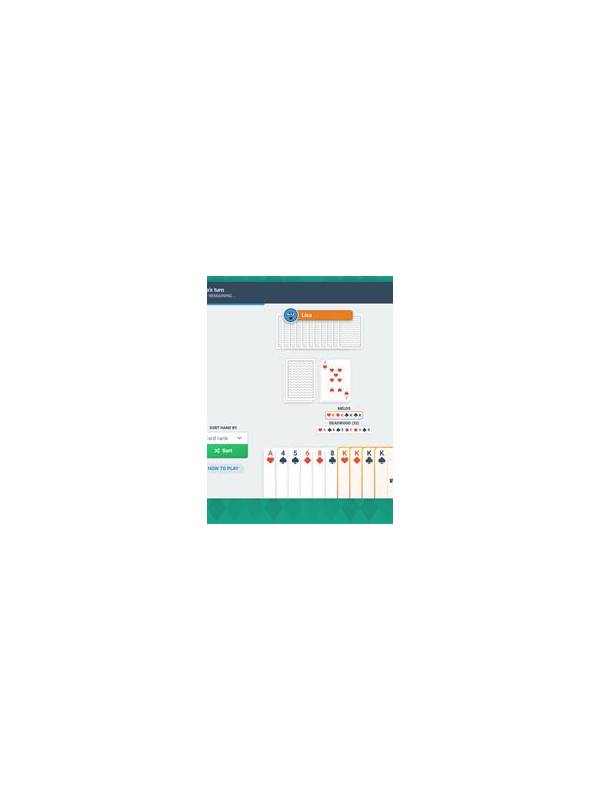
Pairs and connected cards often compete for the same spaces in an Indian rummy hand. A pair can become a set, while adjacent cards can become part of a sequence. Neither route is automatically better. The right choice depends on completion distance, flexibility, and the penalty attached to cards left outside the final arrangement.
First identify whether the pair is genuinely useful. A pair of the same rank can join cards from other suits, but the required third card must still be available. If the pair is high and isolated from every sequence, keeping both may preserve a future set while also carrying a large penalty. If the pair is low or already supported by another group, it may be a reasonable anchor.
Then inspect the sequence plan. Two adjacent cards are stronger when they can accept cards on either side. Middle cards usually have more possible neighbors than an edge card, but flexibility is not the same as completion. Count the missing ranks and note whether one card would complete several arrangements. A plan that appears close may become weak if all its useful cards are narrow.
Use a simple comparison table in your head. For the pair plan, ask: how many cards are missing, how many suits could complete it, and what happens if it fails? For the sequence plan, ask the same questions. Add one more test: which route lets you discard a costly card without destroying the rest of the hand?
Choose the route with the better balance, not merely the shortest distance. Keep a backup if the two plans are close. You can protect one pair while preserving one connector, but avoid collecting every possible helper. Too many half-built ideas create a hand that is flexible in theory and unusable in practice.
Reassess after each draw. A useful card may change the comparison, while a dead draw may be the signal to release the weaker route. This method keeps the decision evidence-based and prevents a familiar pattern from receiving more value than it deserves.
Related Post

How to Read a Rummy Game Lobby Before Joining
Learn which lobby details matter before selecting an online rummy table. [...]
Rummy How-To: Review a Hand Without Replaying Every Turn
A three-moment review captures the most useful lessons without exhausting the player. [...]