Rummy FAQ: Why Can a Low Card Still Be a Bad Keep?
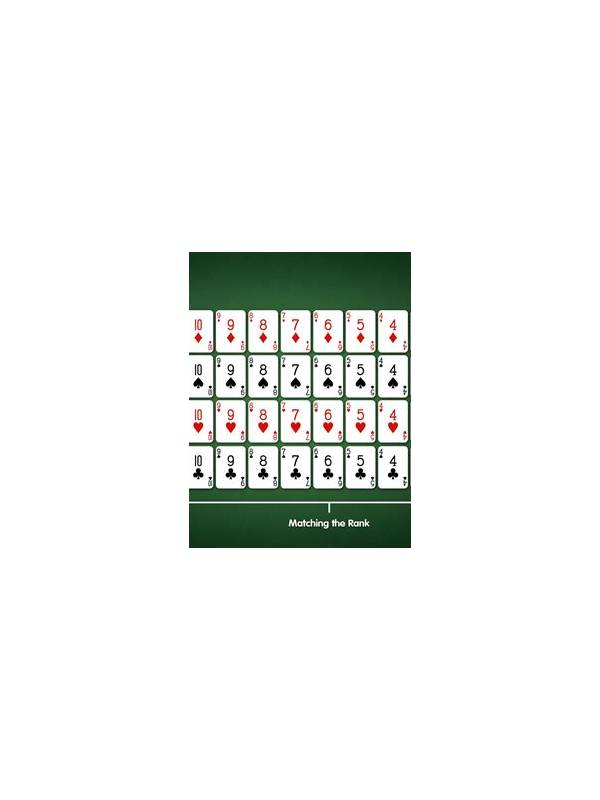
A low card may also have information value if its absence changes how you read a route, but information alone is not a reason to keep it. Ask whether the card improves your own legal arrangement. If it does not, compare it with other candidates using completion distance and future replacement. This keeps low cards from becoming a hidden collection of deadwood. This matters especially near the end of a hand. Early on, a low singleton may deserve one draw of patience because the hand has room to develop. Later, the same card may be the easiest release if it has not gained a connection. Reassess its job when the number of remaining turns changes. Its point value stays fixed, but its opportunity cost can grow.
A low card may carry fewer penalty points, but its value still depends on how it fits the hand. Keeping every low card can create a collection of isolated pieces that never form a legal group. The right question is not only what a card costs if stranded, but what work it can realistically perform.
When is a low card useful? It is useful when it already connects to another card, supports a pair that can form a set, or provides a reasonable backup route. A low connector may also help you reduce penalty exposure while waiting. Its value increases when several held cards can cooperate with it.
When is it a bad keep? An isolated low card with no nearby rank, no pair, and no second role can occupy space that a more flexible card could use. If you keep it only because its points are small, you may postpone the decision until the hand is crowded. The result can be several low deadwoods instead of one clear discard.
How should you compare it with a high card? Compare completion value first, then penalty. A high card that is part of a nearly complete sequence may be more valuable than a low singleton. A low card that has no route may be released sooner, especially if another card can serve the same safety purpose.
Use a simple job test: can you name the group, the missing cards, and the backup purpose? If not, mark the card for review after the next draw. This avoids both extremes: keeping it forever because it is cheap, or discarding it immediately without checking a real connection.
Low points are one factor in a decision. Structure, flexibility, legality, and future replacement matter too. A balanced hand contains cards with jobs, not merely cards with small numbers.
Related Post

How to Compare Rummy Draws by Information Gained
A draw can be valuable because it improves a hand or clarifies which plans are [...]
Rummy FAQ: Can You Learn Without Playing for Money?
Free practice, physical cards, and structured review can teach core rummy skills without financial pressure. [...]