Rummy Safety: Set a Clear Deposit and Session Boundary
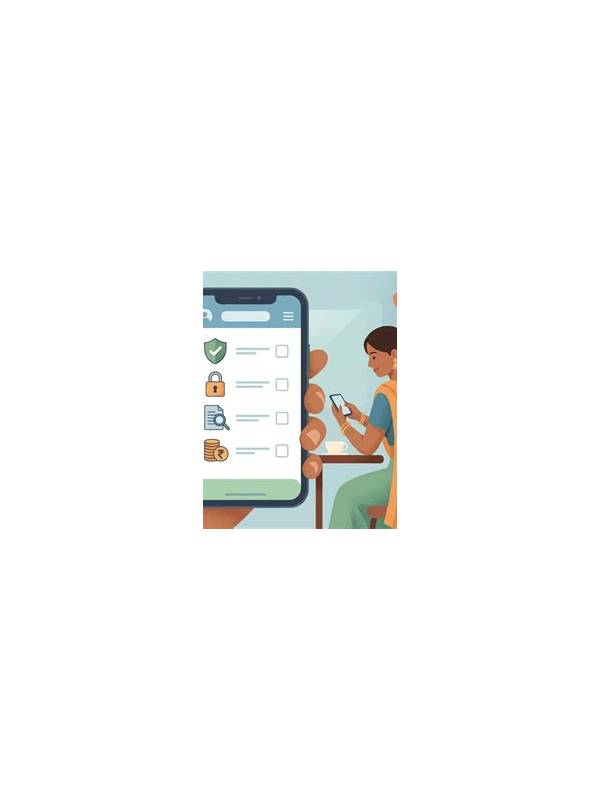
Before joining any online rummy game, decide what participation is allowed to cost in money and time. A boundary made before excitement or frustration appears is easier to follow than one negotiated during a losing streak.
Set a spending limit that comes from discretionary money, never rent, food, bills, debt payments, or emergency savings. If the platform offers deposit, loss, or wager limits, review them carefully and use the strongest setting that fits your plan. Do not assume a limit is active until the account page confirms it.
Choose a session length as well. A timer, calendar reminder, or a fixed number of rounds can provide a clear stopping signal. Include time for breaks, because tiredness can make ordinary decisions feel urgent. When the boundary arrives, stop even if the last hand was exciting or disappointing.
Write down two warning signs that mean you should leave immediately. Examples include trying to recover a loss, hiding play from someone who helps you manage finances, borrowing money, or continuing after you can no longer focus. These are not tests of character; they are practical signals that the activity is no longer within your plan.
Keep payment and login security separate from gameplay decisions. Use a unique password, enable available account protection, and never share one-time codes or payment details with a person claiming to be support. Check official help channels rather than links sent through unsolicited messages.
If you cannot maintain your boundary, take a longer break and seek support from a trusted person or a local responsible-gaming service. Platform rules and legal availability also vary by location, so read the current terms and follow local requirements. Skill advice can improve decisions, but it cannot remove financial risk. A sustainable session is one you can end without needing the next game to change how you feel.
Make the boundary easy to observe. Keep a simple written amount and end time nearby, and avoid changing them mid-session. If the platform provides notifications about deposits or losses, enable them and read the wording carefully. A boundary works best when it is visible before attention narrows around the next hand.
If you share finances with a household, include essential obligations in your planning before choosing any entertainment budget. When a limit is reached, switching to a free practice mode or leaving the table is safer than searching for a way around it. The decision to stop is part of the session plan, not evidence that the plan failed.
Related Post
Rummy Safety: Recognize Suspicious Support Messages
A cautious verification routine can separate a genuine support interaction from a message seeking account [...]
Rummy Safety: Confirm Device Lock Before Play
A quick device-lock check helps protect a rummy session when a phone or tablet is [...]