Rummy Table Reset: A Quick Routine After an Unexpected Draw

Why surprises cause mistakes
An unexpected card can feel like an immediate solution. It may complete a group, create a second route, or appear to fit a card you have been protecting. The danger is acting on the first interpretation before checking what the draw changes elsewhere. A short reset gives the whole hand a chance to respond.
Pause and name the event in plain language: “This card completes a set,” “This card creates a second connection,” or “This card does not improve the plan.” Naming the event reduces the emotional pressure to reward a lucky draw instantly. Then scan the hand from left to right or by suit, using the same order each time.
Four reset steps
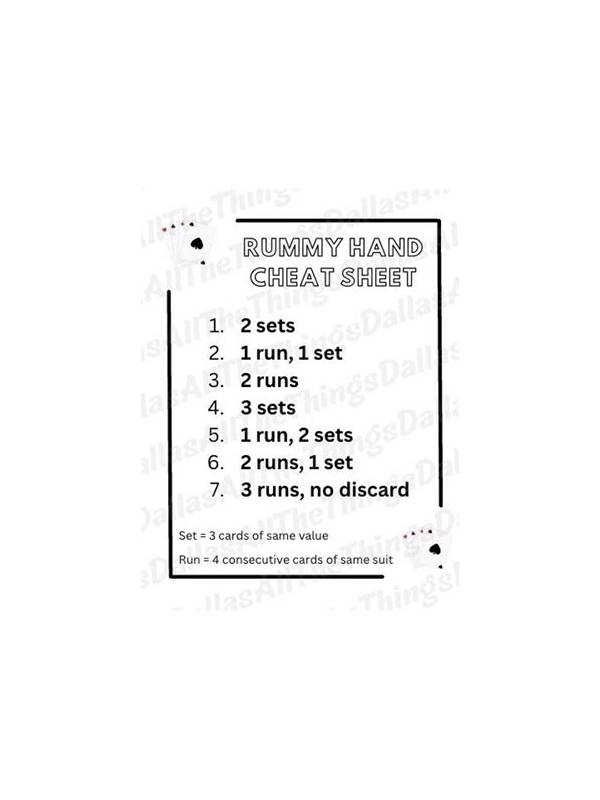
First, protect any structure required for a valid declaration. Do not break a secure pure sequence merely because the new card looks attractive. Second, compare the new card with every incomplete group. It may replace a weaker card rather than add another group. Third, identify the least useful remaining card after the replacement. Fourth, inspect the visible discards before releasing anything that could strongly help another player.
This routine is quick when the draw is obvious and slower when it creates multiple options. The key is separating arrangement from discard. You can decide where the card belongs before deciding which card should leave. Mixing those choices often causes a player to discard the card that was actually doing the most work.
Reset after bad luck too
The same method applies to an unwanted draw. Do not let disappointment decide the discard. Check whether the card can serve as a temporary bridge, whether it changes the value of a pair, and which high-value card is now least defensible. A bad draw is information about what your hand does not need; it is not a reason to abandon structure.
Practice the reset during low-pressure games until it feels automatic. Afterward, note whether the surprise was genuinely useful or merely exciting. Over time, the routine builds a useful habit: every draw becomes a fresh arrangement problem, and no single card is allowed to dictate the entire turn before the rest of the hand has been considered.
If the new card changes nothing, say so and follow the original plan. A reset is not an invitation to invent complexity. Its value is that it confirms the old plan with current information or identifies the exact reason to replace it. Either result is better than reacting to surprise alone.
Related Post
Rummy FAQ: Is a Fast Meld Always the Best Meld?
Completing a meld quickly can be helpful, but speed should be weighed against flexibility and [...]
Rummy How-To: Build a Discard Pile Reading Habit
A small discard-pile routine can reveal useful information without turning every turn into a memory [...]