How to Review a Finished Rummy Hand Without Guessing
Start with the position, not the result
Reviewing a finished rummy hand is useful only when it separates decision quality from luck. A winning hand can contain weak choices, while a losing hand may have been played sensibly. Begin by recreating the position at three moments: the opening, the first clear meld opportunity, and the final few turns. Record your cards, the visible discards, and what you believed the other players were collecting. Avoid writing “I should have won” before examining the information that was available at the time.
Ask what the hand was trying to become
At the start, identify the strongest two or three routes in your cards. One route may use a connected run, another a same-rank group, and a third a joker-supported combination. Then ask whether your later draws improved one of those routes or merely looked attractive. This exposes a common error: keeping a card because it is interesting rather than because it supports a practical declaration. A card’s value changes with the rest of the hand, so judge it in context.
Mark decisions with the evidence available
For each draw and discard, write three brief notes: the useful cards you were pursuing, the risk you accepted, and the safer alternative. If you took from the discard pile, explain what information that choice revealed. If you discarded a high-value card, note whether it reduced penalty exposure or abandoned a realistic sequence. Do not use cards you saw later as if they were known earlier. A review that uses future information will produce advice that cannot be repeated in a live game.
Check flexibility and timing
Look for the point at which your hand became too narrow. A plan with only one required card may be efficient when the missing card is likely, but fragile when several opponents could also want it. Compare the benefit of a nearly complete meld with the benefit of retaining two connectors or a usable joker. Also check timing: sometimes a good discard becomes poor because it gives an opponent a clear pickup immediately before they declare.
Finish with one lesson
End the review with one behaviour to test in the next session. Examples include separating a pure sequence earlier, releasing an isolated high card sooner, or pausing before taking a tempting discard. One specific lesson is easier to measure than a broad promise to “play better.” After several hands, look for patterns across reviews. Repeated mistakes deserve attention; a single unlucky draw does not. The purpose of review is a calmer, more accurate process, not a story that makes every result feel predictable.
Related Post
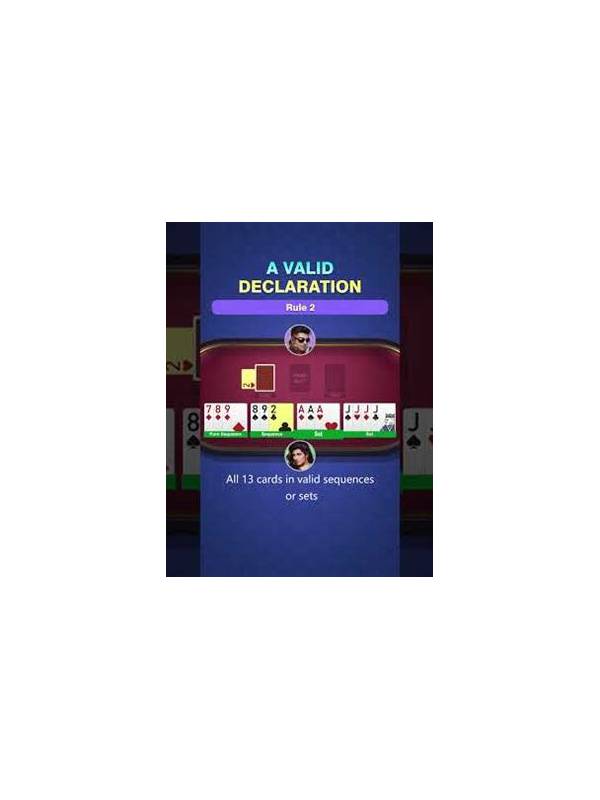
Rummy FAQ: What Makes a Declaration Valid?
A pre-declaration checklist explains the common structural conditions behind a valid rummy declaration. [...]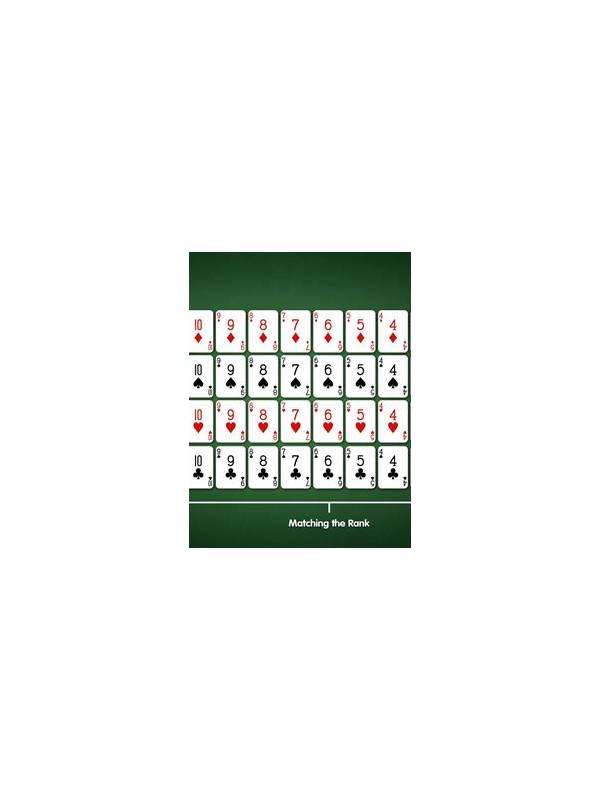
Rummy How-To: Establish a Clear Hand State After Every Draw
A repeatable hand-state routine keeps each draw from creating confusion about groups, gaps, and discard [...]