Rummy Reserve Planning: Keep a Backup Meld Route
What a reserve route means
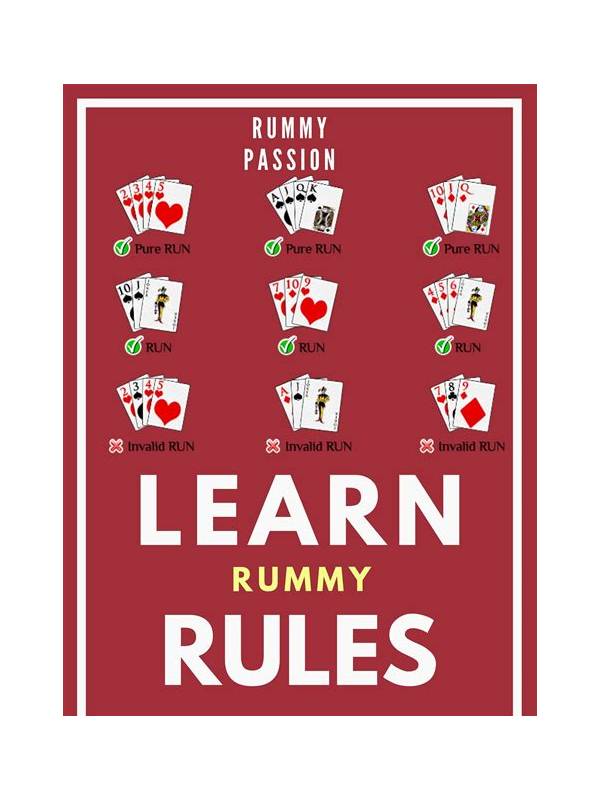
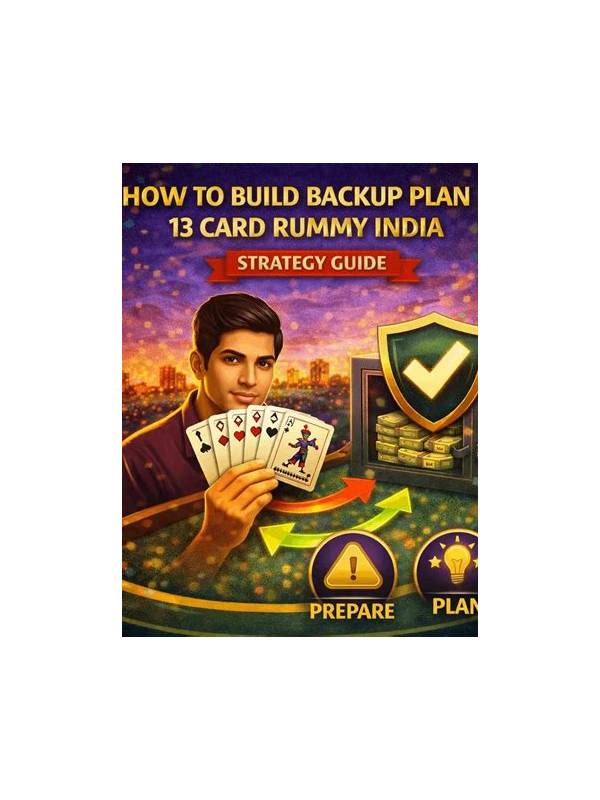
A reserve route is a realistic second way to arrange part of your hand. It is not a wish list of every possible combination. For example, a connected 7 and 8 may support a 6-7-8 run, but the same cards might also remain useful beside a 9 if the suits and rules allow it. A reserve plan keeps enough flexibility to respond when your first target becomes unlikely. This matters most in the middle of a hand, when waiting too long can leave several unmatched cards together.
Build the primary route first
Sort your cards into confirmed melds, promising connectors, flexible cards, and isolated points. Choose the route that needs the fewest uncertain cards while satisfying the required declaration structure. A pure sequence normally deserves priority because it may be essential under common Indian rummy rules. Once that route is protected, inspect the remaining cards for a second arrangement. The reserve should use cards that are already reasonably compatible, not cards you would need to draw from several different ranks and suits.
Protect the right connectors
The best reserve cards often have two jobs. A middle card can connect upward or downward, and a repeated rank can contribute to a group while one copy remains useful in a run. Do not protect every flexible card indefinitely. If a card has not improved after several turns and has a high penalty value, its theoretical options may be less important than reducing risk. Reserve planning is a balance between flexibility and progress.
Set a switching trigger
Decide in advance what would make you switch. Useful triggers include seeing multiple needed cards discarded, holding a route that requires two exact draws, or noticing that an opponent repeatedly collects cards connected to your target. The trigger should be based on evidence rather than frustration. When it arrives, move the stranded cards into the reserve arrangement and reassess the remaining hand from the beginning. A switch made one turn earlier can be much safer than a desperate change after the hand is nearly over.
Do not confuse reserve with hoarding
Keeping backup possibilities can create a crowded hand. If every card is labelled “maybe useful,” discarding becomes impossible and your hand never becomes clear. Review the reserve after each meaningful draw. Ask whether it still has a plausible completion path and whether it competes with your primary route. If not, release it. Good reserve planning is temporary: it preserves choices until the information improves, then gives way to a firm arrangement.
Use the idea in practice
During practice, describe your primary route in one sentence and your reserve in another. After the hand, check whether your switch trigger was clear and whether the reserve actually reduced the number of difficult cards. This simple habit trains adaptability without encouraging random changes. The goal is not to predict the exact next card; it is to avoid being trapped by a single attractive plan.
Related Post

Rummy Safety: Check Privacy Before Using a New App
Reviewing permissions and privacy settings before use can reduce unnecessary exposure of personal information. [...]
Rummy Bonus Expiry Dates: A Checklist for Reading Promotions
Rummy Bonus Expiry Dates: A Checklist for Reading Promotions offers practical guidance for clearer, safer, [...]