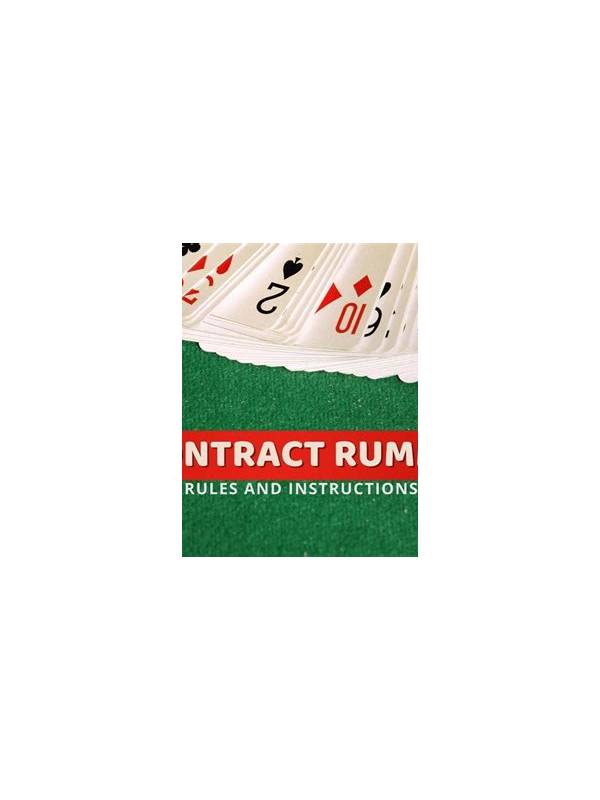
Rummy Safety Check: Pause Before a Fast Declaration
Why speed causes errors
Fast rummy tables reward attention, but speed can make a nearly complete hand look complete. Players may overlook a missing pure sequence, leave a card outside a group, or count a joker incorrectly. A short declaration pause creates a reliable checkpoint. It does not require second-guessing every card; it simply confirms that the arrangement meets the table’s stated rules before you submit it.
Use a fixed inspection order
Start with mandatory structures. Confirm that the required pure sequence or equivalent condition is present and that each card belongs to a valid sequence or group. Next count the groups and check whether any card appears twice in the same arrangement. Then inspect joker usage: identify which card each joker represents and whether that use is permitted. A fixed order is easier to follow under pressure than trying to scan the whole hand at once.
Check the risky cards
Most declaration mistakes occur around flexible cards. Examine singletons, repeated ranks, and cards placed at the end of a run. Ask whether the sequence is consecutive and same-suit where required, and whether a group actually has the allowed number of distinct suits. If your platform uses a different ruleset, use its help panel as the authority. Do not assume that a familiar physical-card rule applies identically online.
Separate confidence from urgency
An opponent’s quick action can create pressure, but urgency is not evidence that your declaration is ready. If the interface offers a preview or arrange view, use it. If you cannot verify the hand comfortably, take one breath and inspect the uncertain meld before pressing the button. In a real-money setting, a rushed declaration can have a direct cost, so choose limits and table stakes that leave room for careful play.
What if the declaration fails?
Treat an invalid declaration as a review prompt, not as proof that you should play recklessly faster next time. Note the exact structural error while it is fresh. Was a sequence impure? Was a card left unused? Did the joker placement violate a rule? Then practise that one check with a few sample hands. If the app’s result or scoring seems inconsistent with the displayed rules, save the relevant hand reference and contact official support through the platform rather than relying on unverified advice.
Make the pause automatic
Use the same internal phrase before every declaration: “required structure, valid groups, joker check, no loose card.” With repetition, the pause becomes brief and consistent. The aim is not to slow every turn; it is to reserve a few seconds for the one action that closes the hand. Accuracy, clear rules, and responsible limits make a faster table easier to manage.
Related Post
Rummy How-To: Use a Three-Question Discard Pause
Three quick questions can catch legality, penalty, and flexibility problems before a discard is confirmed. [...]
Rummy Guide: Use Probability Language More Carefully
Replace absolute predictions with practical probability language that keeps rummy decisions honest and adaptable. [...]