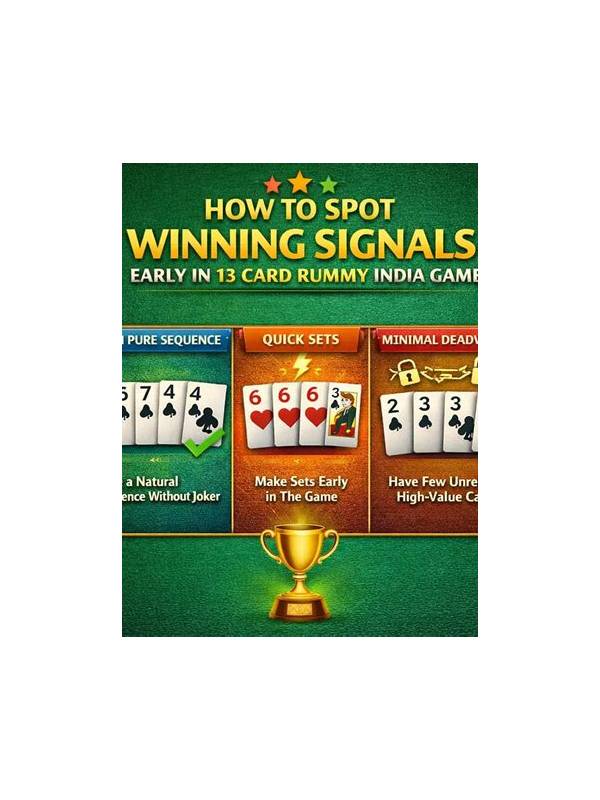
Rummy Practice Review: Turn Notes Into One Useful Lesson
Choose a review time that does not invite another immediate game. A quiet note after the table closes is enough. If emotions are strong, wait until they settle, because frustration turns neutral events into exaggerated conclusions. At the end of a week, compare only the lessons you actually tested. Keep the habit that helped you notice a decision more clearly and discard notes that add no insight. A small experiment gives better evidence than a long reaction to one result. Choose a review time that does not invite another immediate game. A quiet note after the table closes is enough. If emotions are strong, wait until they settle, because frustration turns neutral events into exaggerated conclusions. At the end of a week, compare only the lessons you actually tested. Keep the habit that helped you notice a decision more clearly and discard notes that add no insight.
A practice game can produce more information than a player can use at once. Reviewing every decision in detail may become tiring, especially after an unlucky result. A better approach is to select one observable lesson and test it in the next short practice session.
Begin with facts. Record the format, the opening shape of the hand, and one or two key turns. Avoid labels such as “I always play badly.” Instead write what happened: a high card stayed isolated for four turns, a joker was assigned before natural groups were checked, or a timer caused a rushed confirmation.
Next, identify the decision point. What alternatives were available then? Could you have discarded a less flexible card, checked the rules, or paused before continuing? Do not invent information that was hidden at the time. A review is useful only when it evaluates the choices that were genuinely visible.
Choose one lesson with a measurable behavior. “Be smarter” is too vague. “Before each discard, name the card’s current role” is testable. “Check the table timer before committing to a new plan” is also testable. A narrow habit is easier to remember than a long list of corrections.
Separate skill from chance. A sound decision can lead to a poor result, while a risky decision can succeed. Judge the process using the information available at the time, not only the final score. This protects practice from becoming superstition.
End the review after a few minutes. Write the lesson, close the table, and return later with a clear boundary. Repeating one small experiment across several hands gives better evidence than reacting to a single outcome. Practice improves through deliberate observation, not through playing indefinitely.
Related Post
Rummy How-To: Build a Rule Snapshot Before a New Session
A compact rule snapshot prevents familiar rummy habits from carrying into a different game format. [...]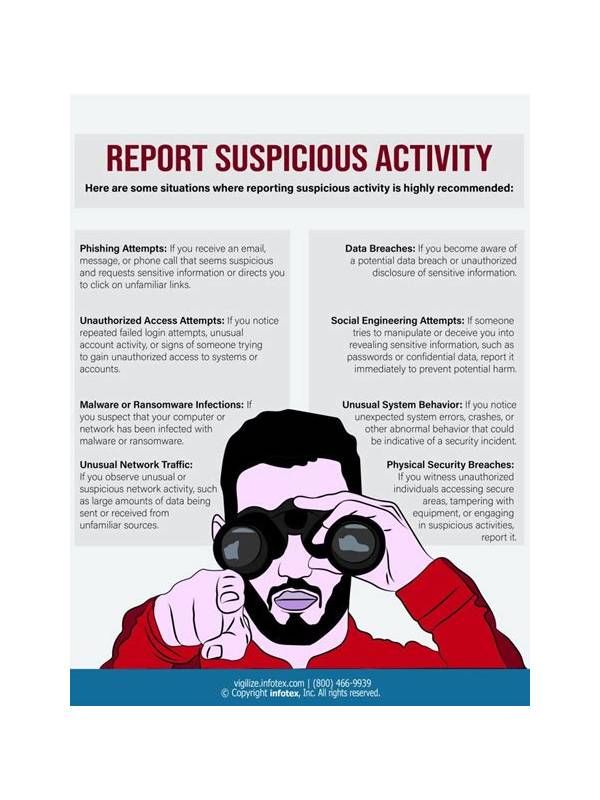
Rummy Safety: Recognize a Suspicious Support Request
Urgency, secrecy, and requests for codes are warning signs when someone claims to provide game-account [...]