Rummy FAQ: When Is a Pair Blocking Your Hand?
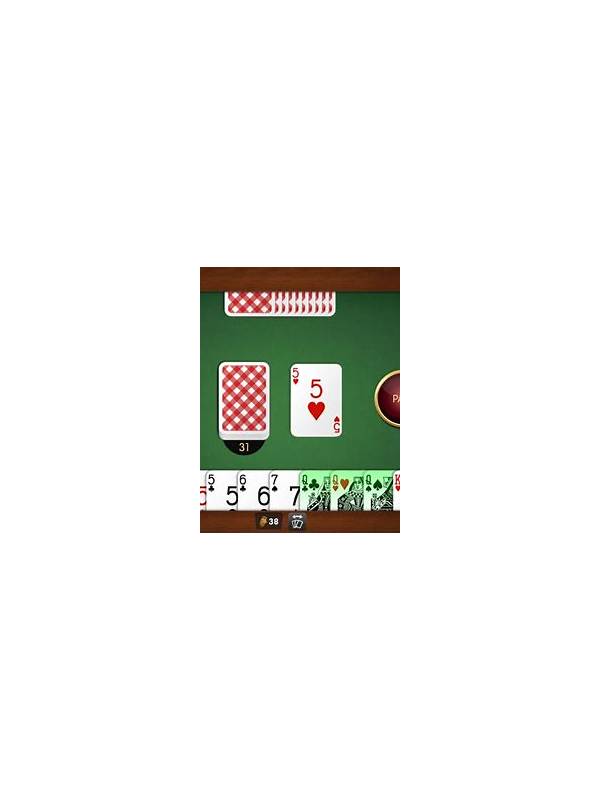
Pairs are attractive because they look organized, but organization is not the same as progress. A pair is blocking when it occupies cards or attention that a better route needs and offers too little practical improvement in return. The answer depends on timing, point value, and the other connections in your hand.
First ask whether the pair has a realistic completion route. Can it join a set under the table rules, or can one of its cards connect to a sequence without breaking something stronger? If the pair needs an exact card that has become unlikely, its apparent structure may be weaker than a loose connector with several uses.
Next inspect space. Keeping both cards may force you to hold another orphan or delay sorting the rest of the hand. A pair can be blocking even when it has moderate value if it prevents two useful groups from developing. Consider the complete hand rather than scoring the pair in isolation.
Timing creates another test. Early in a long hand, a pair may deserve a short trial because its cost is low. Near the end, the same pair may be blocking if it needs multiple improvements. Set a review point before the pair becomes part of your identity as a player. A plan should earn continued space through evidence.
The discard pile can change the answer. If useful neighbors or matching cards appear and are ignored, your pair may gain support. If those cards disappear or an opponent claims the relevant area, lower its priority. Do not treat one favorable discard as proof; use it as an update to the pair’s confidence label.
When uncertain, compare the pair with the best alternative discard. If breaking it creates a clear, lower-risk hand, the pair was probably blocking. If breaking it leaves only a narrow route, keep it temporarily but give that decision a deadline. The practical question is not “Are pairs good?” It is “Is this pair earning the room it occupies now?”
Give a pair a fresh evaluation after every meaningful update, but do not restart the whole hand each time. A quick check of route, space, timing, and penalty is enough. Consistent small reviews are more useful than one dramatic reassessment after the pair has become expensive.
Related Post

Rummy Practice: Estimate Flexibility With a Card-Route Map
Use a simple route map to compare how many useful futures each card arrangement supports. [...]
Rummy Safety: Protect Breaks From the Recover-a-Loss Impulse
A deliberate break interrupts chasing behavior and gives you time to decide whether continuing still [...]