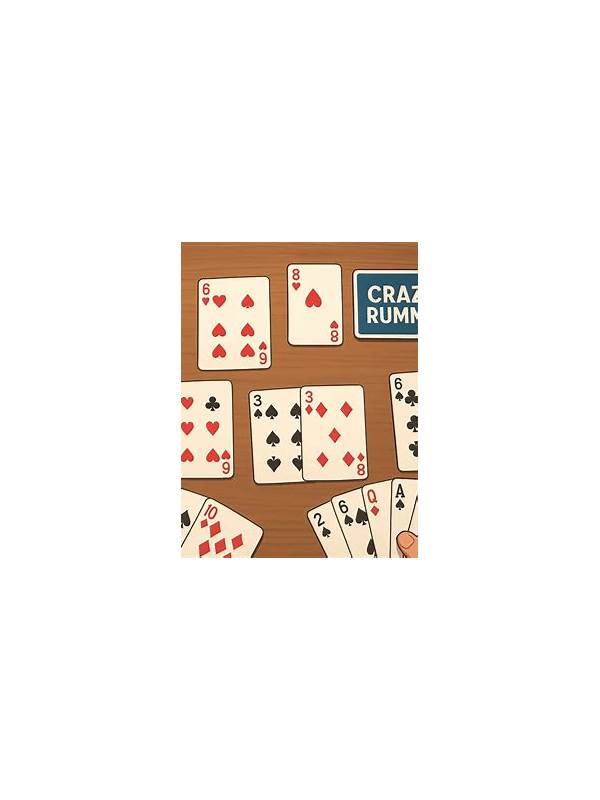
Rummy Tips: Use a Three-Level Confidence Label
Rummy decisions become noisy when every observation receives the same level of certainty. A three-level confidence label is a lightweight fix. Mark an observation as confirmed, plausible, or speculative. Confirmed means the cards or rules directly support it. Plausible means the evidence points that way but alternatives remain. Speculative means it is only a working guess.
Start with confirmed information. Visible discards, your own cards, a stated table rule, and an opponent’s openly completed group belong here. Keep these facts separate from interpretations. A visible discard is confirmed; the conclusion that the opponent no longer wants that suit is only plausible unless more evidence appears.
Use plausible for patterns that deserve attention but not commitment. If an opponent repeatedly ignores a family of cards, you may reasonably suspect a preference. If a card helps two of your routes, you may call its flexibility plausible. These labels allow you to act while preserving room to revise your view.
Speculative ideas are not forbidden. They become dangerous when they quietly control the hand. Labeling a guess as speculative lets you give it a deadline or require another piece of evidence. For example, you might keep a connector for one more draw, but release it if the next discard does not support the suspected route.
Apply the labels to your own plan as well as to opponents. “This sequence is confirmed” may be wrong if its rules have not been checked. “This card will probably arrive” belongs in the plausible or speculative category unless the visible information supports a stronger statement. Confidence labels reduce the temptation to defend a plan simply because you already invested turns in it.
After the hand, review one label that changed. Did a plausible reading become confirmed, or did a speculative guess survive only because nothing disproved it? This practice improves calibration. The goal is not to predict perfectly; it is to match the strength of your action to the strength of your evidence.
Use the same labels when discussing a hand with someone else. Saying “confirmed,” “plausible,” or “speculative” makes the limits of the discussion visible and avoids presenting a personal reading as a table rule. Clear language improves both teaching and disagreement.
The labels are deliberately broad. They are not grades for a player and they do not require mathematical precision. Their purpose is to make uncertainty visible at the moment it can still improve a choice.
Related Post
Rummy Card Memorization: Practical Limits for New Players
A measured memorization routine can improve observation without creating unrealistic expectations. [...]
Rummy Safety: Set an App Session Timeout Routine
A simple timeout routine reduces accidental exposure when a rummy app is left open on [...]