How to Review a Rummy Hand After the Round
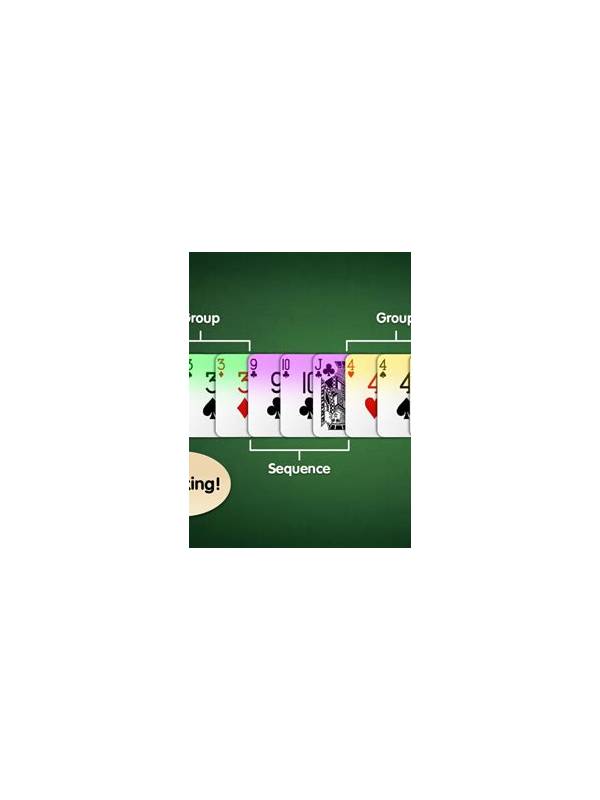
Reviewing a rummy hand after it ends is one of the clearest ways to improve. The goal is not to criticize every decision or pretend that a different choice would guarantee a win. Instead, reconstruct the information you had at each point and ask whether your choice was reasonable then.
Start with the opening hand. Write down the cards that immediately formed pairs, runs, or promising connectors. Then note the cards that had no visible role. This shows whether your first plan came from genuine structure or from attachment to attractive high cards. A hand with several isolated honors often needs a quick, flexible approach rather than a long-term commitment.
Next, identify the first major decision. It may have been a discard, a draw from the pile, or the moment you kept a joker instead of using it. Describe the alternatives without hindsight. For example, say, “I could keep the seven because it connected two possibilities, or release it to reduce points,” rather than “I should obviously have kept it.” This language keeps the review analytical.
Look at the middle of the round. Did your plan change when new cards arrived? Strong play is not loyalty to an early idea; it is the ability to update. Mark the turn when one sequence became unlikely and another became more practical. If you continued protecting a weak combination, the lesson may be about flexibility rather than card knowledge.
Finally, inspect the last few turns. Count the points you were holding, the cards you had exposed in your thinking, and the number of useful draws remaining. Ask whether you were pursuing a realistic completion or merely avoiding an uncomfortable discard. A safe-looking card can still be poor if it blocks several better choices.
Keep the review short. Three notes are enough: one decision that worked, one decision that was uncertain, and one experiment for the next session. Revisit the notes after several rounds to find patterns. Repeatedly holding disconnected high cards, for instance, is more meaningful than one awkward hand.
Use the process for practice or low-stakes play, and take a break if review becomes frustrating. A calm record of decisions teaches more than a dramatic account of the result. Over time, your notes will reveal which choices are deliberate and which are automatic.
One useful review question is whether you noticed information soon enough. Perhaps a card in the discard pile changed the value of a connector, or a new draw made your original group less attractive. Mark the earliest turn on which you could reasonably have updated. This avoids blaming yourself for information that was not available. It also creates a practical target: in the next round, pause after each new card and restate your best structure before choosing an action.
Related Post
Rummy Guide: Use the Turn Clock Without Rushing
A compact decision routine lets you act within the turn timer while preserving accuracy and [...]
Rummy FAQ: What Should You Notice Before the First Draw?
Answering the most useful pre-draw questions for players who want a calmer and more consistent [...]