Rummy Turn Timers: A Calm Method for Making Decisions
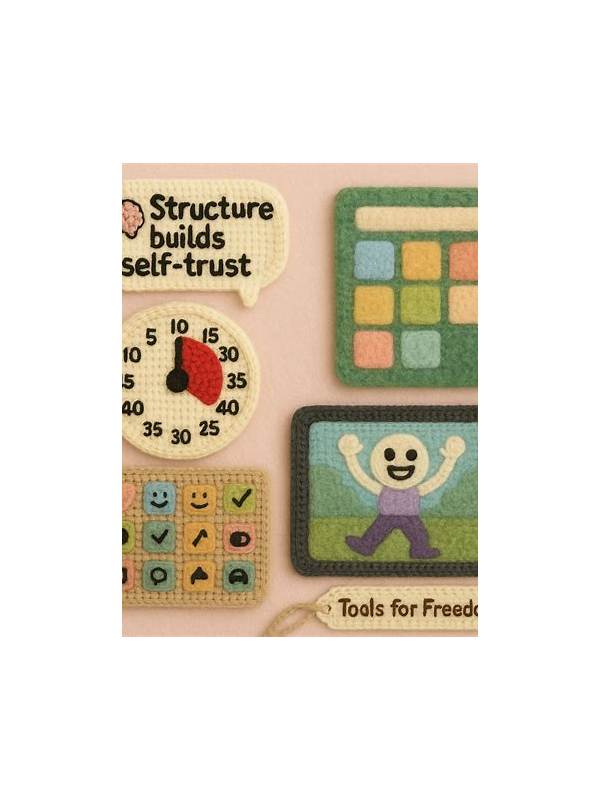
An online rummy turn timer changes how decisions feel. Even when you know the rules, a visible countdown can make an ordinary discard seem urgent. The best response is not to calculate every theoretical hand. It is to use a short routine that protects the important questions. It can help to use the same internal wording every turn: structure, risk, discard. Structure asks what is already working. Risk asks what becomes costly if the next draw misses. Discard asks which card can leave without damaging the plan. The phrase is short enough to remember and flexible enough for different formats.
When your turn begins, first identify the immediate action choices: draw from the closed pile, take the visible discard if allowed, or prepare a discard after adding a card. Do not begin by sorting every card mentally. A quick scan reduces the chance that the timer will run while you are still orienting yourself.
Second, find your strongest current structure. This might be a confirmed sequence, a set, or a two-card connection. Protect completed or nearly completed groups before chasing a remote possibility. If no structure is strong, reduce risk by considering which isolated cards carry the most points and which cards have the fewest realistic connections.
Third, compare only two or three candidate discards. For each one, ask whether it breaks an existing group, keeps a useful connector, or gives away a card that an opponent may need. This is enough for most routine turns. A long list of imagined draws can create the illusion of precision while the clock continues to run.
Reserve the last seconds for a rules check. Confirm that the card you intend to discard is not part of your best sequence and that you are not accidentally declaring with an incomplete hand. If the platform has a confirmation step, read it rather than tapping automatically.
You can practice the routine away from a live table. Deal a sample hand, set a generous timer, and make a decision in thirty seconds. Repeat with a shorter limit only after the process feels familiar. Review whether the decision was understandable, not whether the imagined result would have been lucky.
If the timer repeatedly causes panic, choose slower practice formats where available and take breaks between rounds. Accessibility settings such as larger text or reduced notifications may also help. A timer is a game feature, not a reason to ignore your budget, wellbeing, or local rules. A calm, consistent decision made in time is more valuable than a rushed attempt to find the perfect move.
Related Post

Rummy Safety: Recognize Impersonation and Support Scams
A few verification habits can help players avoid fake support messages and requests for sensitive [...]
Rummy Safety: Review Permissions Before Installing an App
A practical privacy checklist for reviewing an app’s requested permissions before installation. [...]