Rummy Discard Pile Signals Without Overreading Them
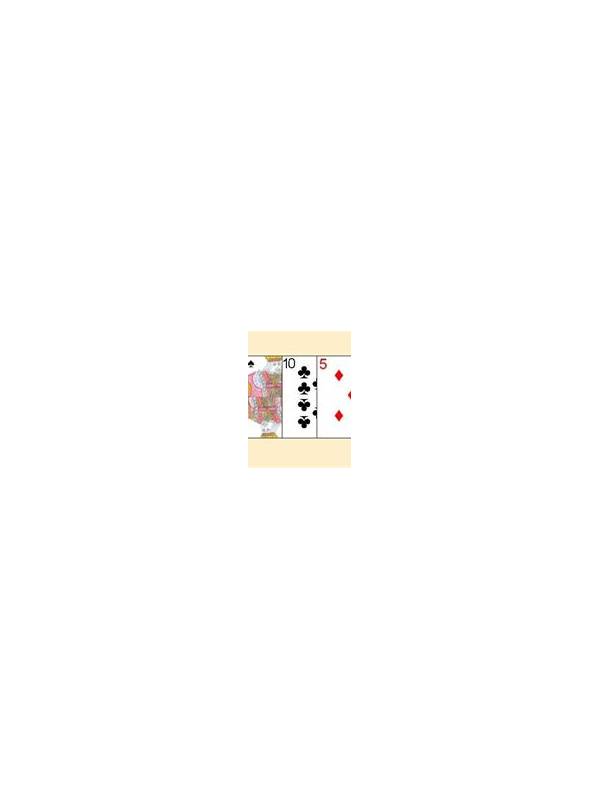
The discard pile is a record of public information. It can help you decide what to draw and what to avoid, but it cannot reveal an opponent’s complete plan. Good observation uses the evidence without turning guesses into certainty.
Start with recent cards. A player may ignore a card for many reasons: it did not fit, it was too risky, or it arrived after their plan changed. One discarded card is weak evidence. A repeated pattern, such as several cards from the same rank being released, is more informative, though still not conclusive.
Track cards that affect your own options. If you need one of two possible connectors, note whether either has already appeared in the discard pile. The information may reduce the chance of completion, but it does not prove the card is unavailable. Another player may hold it, or a second deck may be in use under the format.
Be cautious when taking from the visible pile. A public pickup can reveal interest in a rank or suit. That does not mean you should avoid every related card forever. Compare the possible information leak with the strength of the improvement to your hand. A useful card can still be worth taking when the rules and your structure support it.
Use a small memory system instead of trying to memorize everything. Remember the last few meaningful discards and the cards that directly connect to your best sequence. Overloaded attention can cause you to miss your own legal declaration.
Review your assumptions after the hand. If you thought a player was collecting a suit, check whether the revealed cards supported that idea. Treat incorrect predictions as feedback about uncertainty, not as proof that observation is useless.
The discard pile is a tool for comparing probabilities and protecting your hand. It is not a window into another player’s mind. Keep your decisions grounded in your own valid combinations, the current score, and the exact rules of the table. A useful limit is to track only information that can change your next action. If a discarded card has no connection to your hand, you may not need to remember it. If it completes a route you are considering, note it and reassess the route. This keeps observation practical and prevents the pile from becoming a second hand you are trying to solve. When uncertain, say “possible,” not “certain.” That small distinction keeps your next discard grounded in evidence and protects attention for your own hand.
Related Post
Rummy FAQ: Can a Low Card Be More Valuable Than a High Card?
In rummy, a card’s practical value depends on its connections and risk, not only its [...]
Rummy Safety: A Responsible Break Schedule for Long Sessions
Plan regular breaks so concentration, spending decisions, and enjoyment do not deteriorate during extended play. [...]