A Rummy Practice Plan for Fifteen Quiet Minutes
Fifteen minutes is enough for focused rummy practice if each part has a clear purpose. The aim is not to simulate a full paid session. It is to repeat one useful skill without pressure, then record what you learned.
Spend the first three minutes on recognition. Deal or generate a sample hand and sort it into confirmed groups, possible connections, and isolated cards. Do not choose a discard yet. Name the strongest structure aloud or in writing. This exercise builds speed without the distraction of a timer.
Use the next five minutes for decision comparisons. For the same hand, identify two plausible discards. For each, write one benefit and one cost. Consider whether the card belongs to a confirmed group, preserves a connector, carries a high point value, or could help an opponent. Choose the option that best fits the current rules, not the one that creates the most exciting possibility.
Spend four minutes on a changing scenario. Add one new card, remove a different card, and reassess the hand from the beginning. Notice whether your original plan still makes sense. The exercise teaches that a good decision can become outdated when information changes.
Use the final three minutes for review. Write one sentence about what you saw quickly, one about what confused you, and one question to check in the rule book. Keep the notes short so the practice remains easy to repeat.
You can rotate the focus by day. Practice pure sequences on one day, discard choices on another, and declaration checks on a third. If you practice with an app, use a free or practice mode and avoid entering a financial table just to test a skill.
Stop when the fifteen minutes end. More practice is not always better if attention has faded. A small, regular routine creates clearer evidence of progress than occasional, exhausting sessions. Keep the activity within your time and spending boundaries, and use breaks if the exercise starts to feel stressful. To measure progress, repeat the same exercise after several days and compare the reasoning, not just the answer. Are you identifying confirmed groups faster? Are your discard explanations more specific? Can you state what information would change your choice? These measures show improvement even when a simulated draw is unfavorable. Keep practice educational and within the planned time. End the exercise by putting the cards away and taking a short break. Consistency, rather than a long single session, is the measure that makes this routine useful.
Related Post
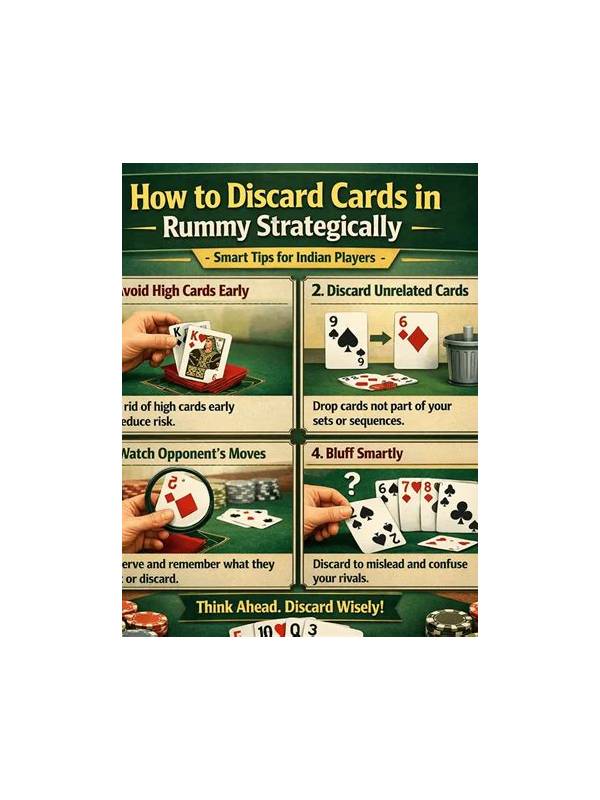
Rummy Guide: Evaluate a Discard by Your Next Two Turns
Use a short planning horizon to choose discards that preserve options without overthinking distant possibilities. [...]
Rummy Tips: Test a Draw Against Two Future Turns
Looking two turns ahead can reveal whether a tempting draw creates a real plan or [...]