Rummy FAQ: Can a Joker Support More Than One Plan?
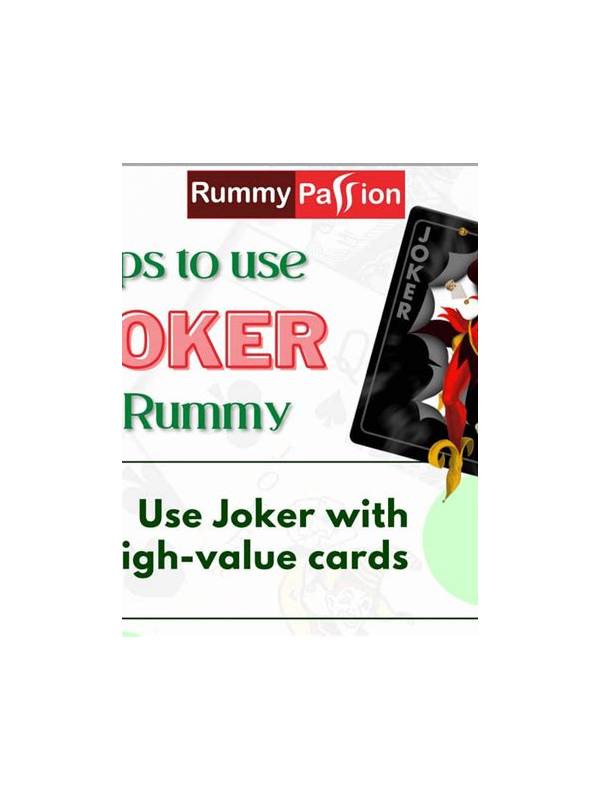
In practice, describe the joker’s job in one sentence before you commit it. If that sentence keeps changing, the arrangement may be too dependent on wishful thinking. Compare the joker line with a natural-card line and consider the cards each one leaves behind. This short explanation helps you notice whether the joker is rescuing a difficult structure or simply decorating a weak one.
A joker can support several possible combinations in your imagination, but it can occupy only one place when you actually meld. That distinction is why a joker feels powerful and still gets misused. Before relying on it, decide whether it is covering a difficult gap or merely making an already easy group look better.
First check the rules of the format. Joker use, replacement, and scoring can differ, so a general strategy should never replace the table’s specific instructions. Once the rules are clear, inspect your natural cards. A joker is most valuable when it completes a structure that would otherwise be unlikely, especially when that structure reduces several awkward cards at once.
Do not count the same joker in two imaginary melds. Instead, make two separate layouts and compare their results. In layout A, what cards remain? In layout B, what cards remain? Include the next discard in your comparison. Sometimes the joker creates a clean run, while another arrangement creates a set but leaves a high unconnected card. The cleaner remainder usually matters more than the label of the meld.
A joker can also act as a temporary bridge while you wait for a natural replacement, where the rules permit that action. Treat this as a plan with a deadline. If the replacement card does not appear after several relevant turns, continuing to preserve the arrangement may cost more than it saves. Set a review point and be willing to keep the joker where it is.
Finally, avoid assuming that a joker makes every draw good. You still need to reduce uncertainty, watch the discard pile, and protect against a poor final hand. Ask: what problem is the joker solving, what problem remains, and what single event would make this plan unattractive? Those questions keep the joker as a tool rather than an excuse to stop evaluating.
Related Post
Rummy Comparison: Counting Routes Versus Counting Cards
Counting possible routes and counting individual cards answer different questions during a rummy hand. [...]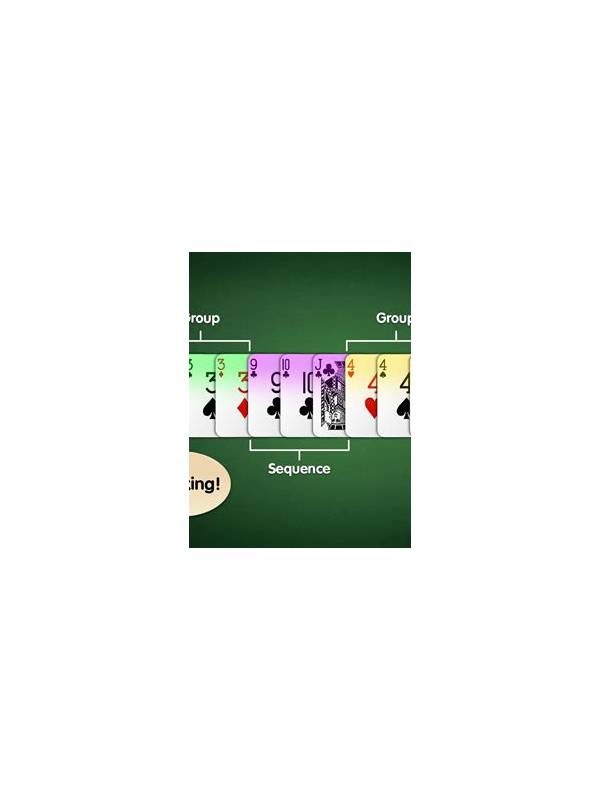
Rummy Hand Friction: Find the Choice That Makes Sorting Hard
Identify the cards and assumptions that create confusion before they disrupt a rummy turn. [...]