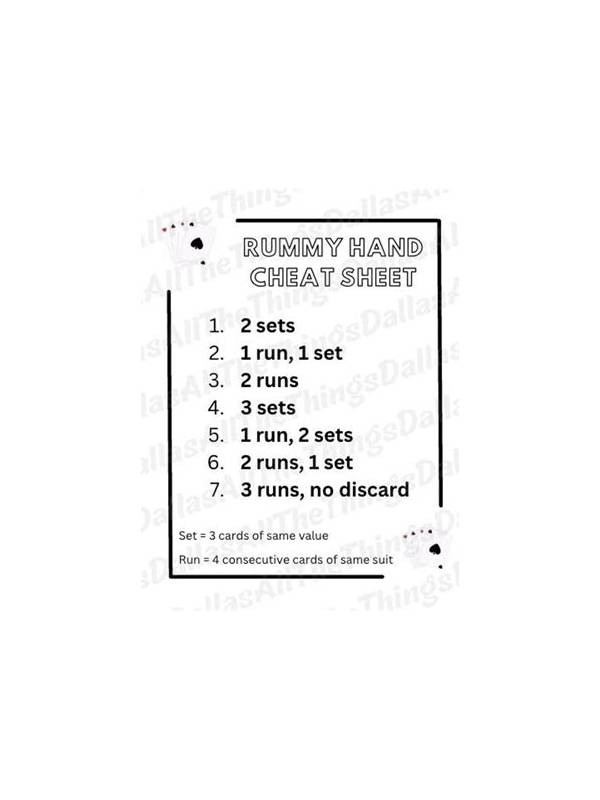
Rummy How-To: Make a Three-Question Turn Checklist
Write the checklist on a card during practice. Crossing off each question makes the sequence visible until it becomes familiar. Over time, shorten the wording to “change, information, exit.” These three prompts are enough to interrupt autopilot and keep the draw connected to a deliberate discard.
Keep the checklist practical by saying the answers silently in a fixed order. A routine that changes shape every turn is easy to skip when the timer feels urgent. You can also use it during a hand review to identify the first missing question. This turns a broad lesson into a small habit that is easy to repeat at a physical table or on a digital interface.
Long calculations are difficult to maintain during a live rummy hand. A compact checklist is more useful because it can be applied on every turn. Before drawing, ask three questions: what improved since my last turn, what information did the opponent reveal, and which card can I release if the draw is unhelpful?
The first question updates your own plan. A new card may complete a meld, create a second route, or simply show that your previous idea is no longer attractive. Name the change in plain language. “This card gives me two possible runs” is more useful than “my hand looks better.” Clear descriptions make later comparisons easier.
The second question turns public information into a decision. Look at recent discards, visible melds, and the speed of the round. If an opponent ignores a card that would fit your apparent route, that does not prove they lack the needed cards, but it may affect your estimate. Information should adjust your plan, not dictate it.
The third question prevents panic after a bad draw. Choose a discard candidate before you pick up a card whenever possible. Then compare the actual draw against that candidate. If the new card is clearly weaker, discard it. If it is useful, release the preselected card. This two-step comparison avoids keeping every card simply because it is new.
The checklist should take seconds, not become another source of delay. Practice it in low-stakes games or while reviewing old hands. Afterward, note whether your mistake was an incomplete scan, a poor estimate, or failure to follow your own exit rule. Improving the type of error is more valuable than trying to remember every card perfectly. A simple routine can make your play consistent without making it mechanical.
Related Post
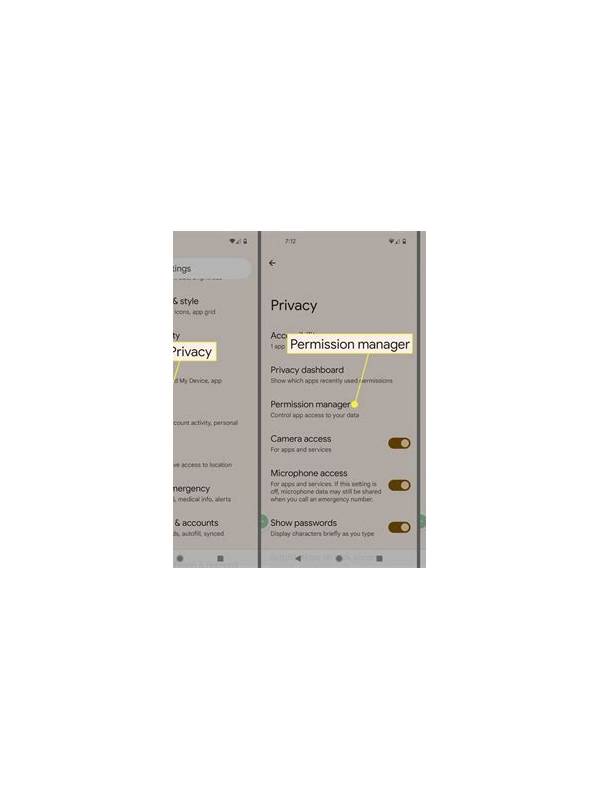
Rummy App Permission Review: What Access Should Be Necessary
Rummy App Permission Review: What Access Should Be Necessary offers practical guidance for clearer, safer, [...]
Rummy Review Timing: Separate Immediate Notes From Later Analysis
Use two stages of review to preserve factual rummy observations without overreacting to a result. [...]