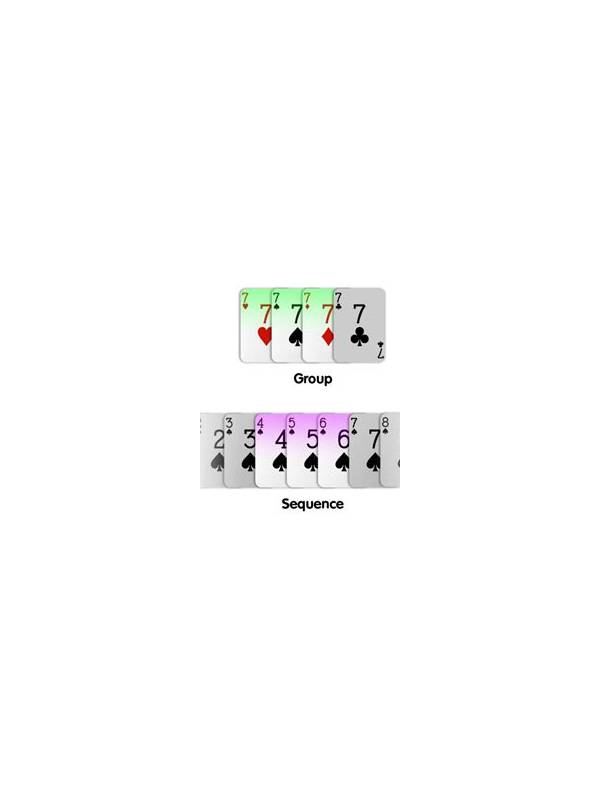
Rummy How-To: Annotate a Practice Hand Without Overwriting It
Keep an example nearby: “Fact: two cards in a same-suit run. Plan: keep one more turn. Uncertainty: needed rank is not visible. Action: release an isolated high card.” Later note whether the plan changed and why. This captures reasoning without claiming predictability. Avoid turning notes into player rankings or personal records. The best archive supports one calm, specific improvement for the next hand.
Annotations can turn a practice hand into a useful lesson, but only if they preserve the decision environment. Write notes as events happen, not after the result has supplied a convenient explanation. The purpose is to examine choices, not create a polished story in which every card seemed obvious.
Use four compact labels: fact, plan, uncertainty, and action. A fact might be “pure sequence complete.” A plan might be “seek one connector.” An uncertainty might be “two possible routes share a rank.” The action records the draw or discard. Keep each entry to one line and add the turn number if the format provides one. Short notes are easier to compare later.
Do not record private identifiers, payment information, or another player’s personal details. If you are using screenshots, crop or store them safely according to your normal privacy practices. A practice record needs the relevant card state and your reasoning; it does not need account data or a complete visual archive of the session.
After the hand, add a separate review section. Write what changed, which assumption was supported, and which remained unresolved. Do not edit the original lines to match the outcome. If you forgot why you made a choice, record “unclear.” That gap is valuable because it shows where your process needs a pause or a better vocabulary.
Over several hands, look for repeated patterns. Perhaps you keep a narrow route too long, overlook a legal requirement, or fail to name a fallback discard. Choose one pattern for the next practice session. Annotation works best when it leads to a small experiment, rather than becoming a detailed diary that you never revisit. Keep notes close to the moment and never let writing delay a legal action. A brief fact, plan, uncertainty, and action is enough. Review the record later without editing it to match the result. The goal is a specific learning experiment, not a perfect transcript or a ranking of players. Record only information relevant to the decision, and keep screenshots free of account identifiers. A small, private practice archive is easier to review and safer to maintain than a complete visual history.
Related Post
Rummy FAQ: Why Does a Discard Need a Reason?
Giving every discard a short reason makes rummy decisions easier to review and improve. [...]
Rummy Session Design: Alternate Focus and Recovery Blocks
Alternating focused play with short recovery blocks can make a rummy practice session more sustainable. [...]