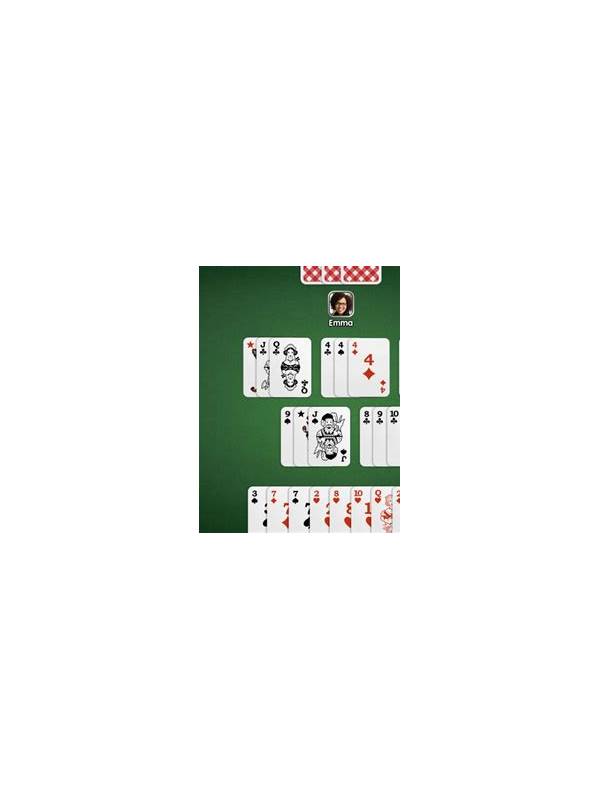
Rummy Guide: Balance Your Hand and the Discard Pile
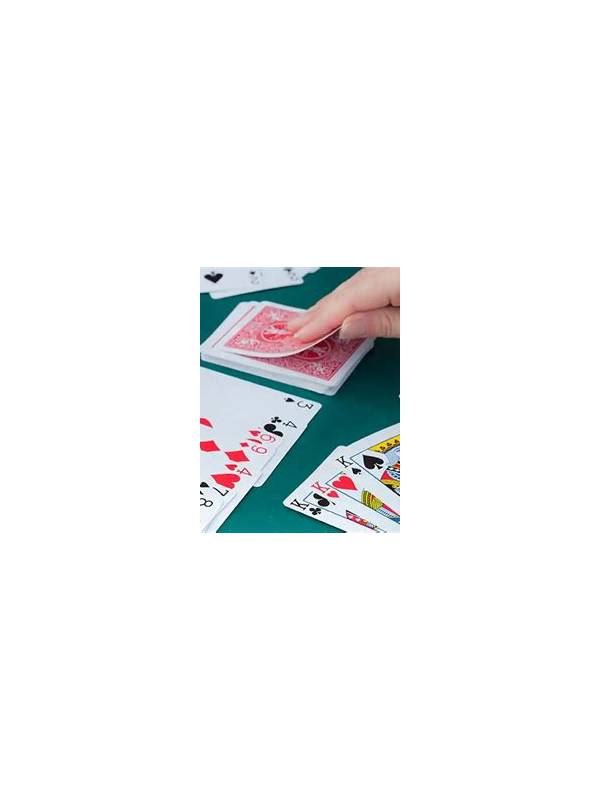
Shorten the routine when the decision is obvious, but add a check for an open-pile pickup because it changes both your hand and the information available to others. Practice away from a live table by dealing a hand and exposing a few discards. Say what is known, what is suspected, and what action follows. This trains attention switching without a countdown or financial pressure.
Rummy rewards attention to both your hand and the discard pile, yet staring at one can make you miss important information in the other. A practical routine gives each area a job. Your hand answers what you need and what you can release. The discard pile answers what has already been visible and whether a candidate card carries useful public context.
Start every turn with a hand-first scan. Identify completed legal groups, unfinished groups, and cards with no current role. This prevents an interesting public card from pulling you away from a basic structural problem. If you have an invalid or fragile arrangement, fix that priority before investigating a speculative pickup.
Then read the discard pile in a narrow window. Look at the most recent cards and the cards directly relevant to your candidate routes. You rarely need to memorize the entire pile. Ask whether a needed card is visible, whether taking a card would reveal your own interest, and whether the alternative closed draw offers a better kind of flexibility. Keep the questions tied to an action.
Return to your hand before committing. Place the possible draw into the arrangement mentally and check what would be discarded afterward. A pickup that looks helpful may leave no clean release, while a closed draw may preserve several options. This final hand check prevents public information from becoming the decision by itself.
With practice, use a three-pass rhythm: structure, public clues, structure again. The first pass defines your needs, the second adjusts confidence, and the third checks legality and cost. If the table is timed, make the passes brief and consistent. You do not need perfect memory of every discard. You need enough awareness to connect visible facts with the hand you actually hold. Use the pile only when it can change a decision. If the recent cards do not affect your candidate routes, return your attention to structure and penalty. Practice the rhythm of hand, pile, hand with a physical deck so you can switch focus quickly without a timer or financial pressure.
Related Post

Rummy FAQ: Can a Completed Group Still Be a Problem?
A completed group can still create trouble when it is illegal, misread, or consuming cards [...]
Rummy Comparison: Open-Pile Information Versus Hand Strength
The most useful choice between a visible discard and a hidden draw depends on both [...]