Rummy Tips: Compare Draws by the Number of Useful Cards
When two incomplete combinations compete for attention, compare how many cards could improve each one. This simple habit is more reliable than choosing the combination that looks closest to completion. A route waiting for one exact card may be visually attractive but strategically fragile.
Suppose a hand contains 4 and 5 of one suit, plus a separate 8 and 10 of that suit. The first pair may accept a 3 or 6, while the second gap usually depends on a 9. The first route has a wider improvement window. It is not guaranteed to arrive, but it gives more ways for a future draw to help. Record that difference before deciding which cards to keep.
Useful-card counting should include the current hand and the visible discard information. A card that would help your route but has already appeared in the discard pile may be less available, depending on the rules and the remaining deck. Do not pretend the count is exact when unknown cards remain. The goal is a relative estimate: wide, medium, or narrow.
Also consider overlap. One card may improve two routes, which increases its practical value. For example, a middle card can connect two neighboring possibilities, while an edge card may serve only one. However, overlap can become a trap if keeping the shared card prevents you from building a required pure sequence. Evaluate the complete hand, not just the most flexible fragment.
Before drawing, ask three questions. How many cards improve this route? How many of those cards are already known or visibly unlikely? If the route fails, can the held cards be repurposed? These questions turn vague optimism into a quick comparison. They also make it easier to abandon a weak plan without feeling that you are wasting earlier turns.
Use the method during practice hands and write down your estimates after each turn. Later, compare the estimate with what actually happened. Accuracy will never be perfect, but the exercise trains you to value resilient structures over dramatic one-card finishes. Remember that a useful-card estimate is not a promise. Unknown cards may be held by another player, and a broad route can still miss. Its value lies in comparing choices under the same uncertainty. If one route has four plausible improvements and another has one, the first usually deserves more attention unless it violates a required rule or carries a much higher penalty. Make the estimate before the emotional pull of a visible card takes over, and update it whenever the hand changes significantly.
Related Post
Rummy Comparison: Short-Term Points and Long-Term Flexibility
Compare immediate point reduction with future flexibility when two rummy choices appear equally safe. [...]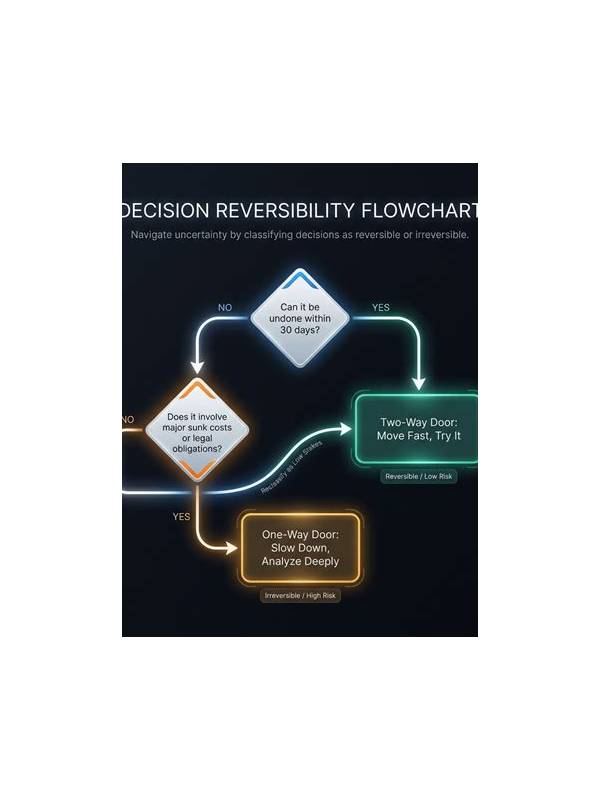
Rummy FAQ: What Is a Reversible Decision?
Understand why keeping a workable fallback can matter more than making the flashiest move. [...]