Rummy Vocabulary: Sequence, Set, Joker, and Meld
Rummy instructions often become confusing because familiar words have precise meanings. Learning a small vocabulary set makes it easier to read a table and check a declaration. Names can vary by region or platform, so use the definitions supplied by the specific game you join.
A sequence is a run of consecutive cards in the same suit, such as eight, nine, and ten of hearts. A pure sequence contains no substitute for a missing card. An impure sequence uses a joker or wild card where the rules permit it. Many Indian rummy formats require at least one pure sequence before a declaration is valid.
A set is a group of cards with the same rank in different suits. Three or four sevens can form a set when duplicate suits are not used. A set is different from a sequence because its cards are related by rank, not by order within one suit. Knowing this distinction prevents many beginner misreads.
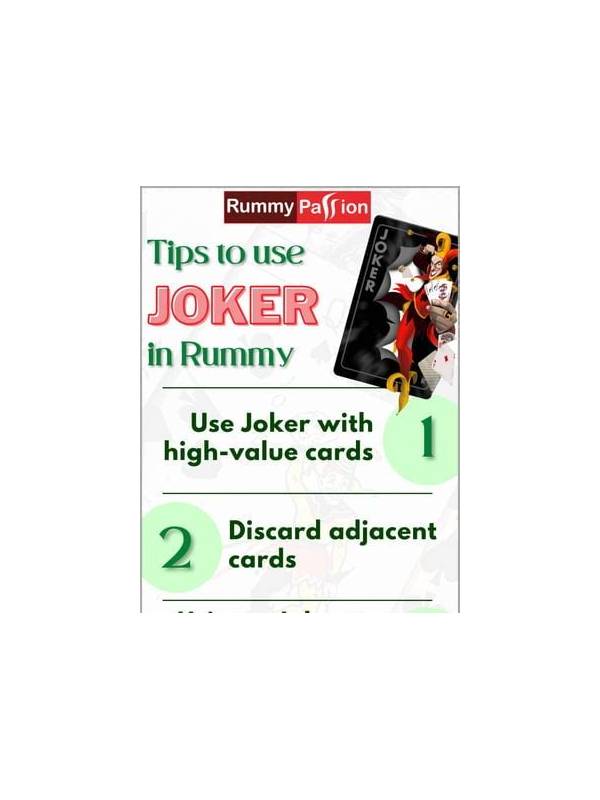
A joker is a card that can stand for another card under the format’s rules. It may be a printed joker or a card selected as wild after the deal. A joker can reduce an otherwise awkward gap, but it cannot always satisfy a pure-sequence requirement. A meld is a completed grouping, usually a sequence or set, that contributes to the required hand structure.
Other common terms include draw, discard, declaration, drop, and penalty. Draw means taking a card; discard means placing one back into the pile. Declaration announces a finished hand, while a drop leaves a contest according to its rules. Read the glossary and examples together, because a word’s practical effect depends on the format and scoring system.
A declared hand is sometimes called a show or finish, while a player who leaves may be described as dropping. These informal terms can differ between communities, which is why the platform’s examples matter. When speaking with support, describe the exact button, message, and format instead of relying on slang.
Build vocabulary through a sample hand. Label each card as part of a pure sequence, impure sequence, set, or ungrouped remainder. Then explain which joker is substituting and what penalty follows an invalid declaration. This exercise connects definitions to actions and makes unfamiliar tables easier to understand. Revisit the glossary whenever a new format uses different terminology.
Terminology can also clarify support conversations. Quote the exact rule heading and describe the cards involved rather than saying that a hand “felt wrong.” Precise language helps you identify whether the issue is a definition, a scoring calculation, or an interface mistake.
Related Post
How to Review a Rummy Loss Constructively
A structured post-game review separates useful lessons from the emotion of an unlucky rummy result. [...]
Rummy Sequence Building with Two Flexible Connectors
Learning how to compare two-card connectors can make sequence building more flexible in a thirteen-card [...]