Rummy How-To: Build a Discard Pile Reading Habit
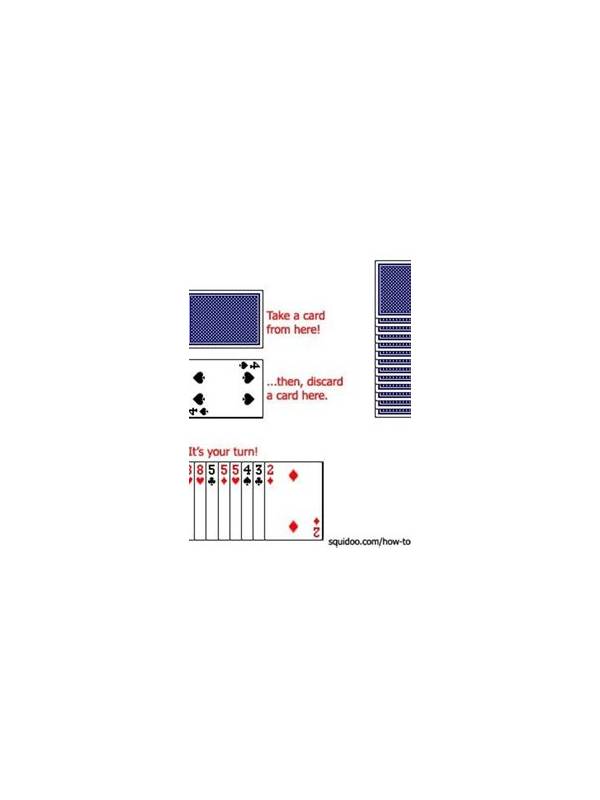
The discard pile is a shared source of information. It cannot tell you exactly what another player holds, but it can show which routes have become less likely and which cards may be dangerous to release. A simple reading habit is more useful than trying to memorize every card.
Begin with the most recent few discards. Recent actions are usually more relevant because they reflect the opponent’s current plan. Notice repeated ranks, suits, or connected cards. If several cards from one suit disappear together, that may suggest a sequence attempt, though it may also be coincidence. Keep observations provisional until later actions support them.
Then mark cards that have been rejected more than once. A player who repeatedly discards a rank may not need it, making that rank potentially safer for you to release. This is not a guarantee: a player can change plans, mislead others, or simply receive a hand that changes quickly. Use the pattern as a risk adjustment rather than as permission to discard carelessly.
Finally, compare the pile with your own needs. If your only missing connector appears in the visible discards, stop treating that route as your main plan. If several copies of a useful rank remain unseen, the route may still be viable. The pile is most valuable when it updates your estimate of what can realistically arrive.
Keep your observations organized into three labels: useful to me, possibly useful to an opponent, and probably unwanted. A card can belong to more than one label. For example, a middle card may help your sequence while also being broadly useful to another player. In such cases, the decision requires a trade-off rather than a simple safe-or-unsafe answer.
Avoid staring at the entire pile after every draw. Look first at the newest cards, scan for repetitions, and check the specific ranks that affect your candidate discard. This takes only a few seconds and reduces mental clutter. If the game has multiple opponents, focus on the player most likely to act soon or the one whose pickups have formed the clearest pattern.
With practice, the discard pile becomes a decision aid rather than background decoration. You will not know every hidden card, but you can remove dead routes, identify broad-risk cards, and notice when an opponent’s behavior changes. Good reading is measured by better choices, not by perfect recall. Remember that an opponent’s discard can be strategic rather than accidental. A player may release a card because it is useless to one route while it remains useful to another. Reading the pile well means combining visible actions with your own hand’s requirements, then keeping conclusions appropriately modest.
Related Post
Rummy Safety: Set a Spending Boundary Before Any Paid Table
Simple precautions for keeping entertainment spending separate from the pressure of an ongoing game. [...]
Rummy Practice: Score Decisions Without Scoring Yourself
A neutral decision score can improve rummy practice while keeping one unlucky result from defining [...]