Rummy How-To: Build a Small Table-State Card

A table-state card is a compact note describing the conditions around your current rummy hand. It is useful in practice, especially when the game is fast or the hand has become visually crowded. The note should support attention, not become a second game to maintain.
Use four lines. The first records the rules that matter right now: hand size, declaration requirements, joker treatment, and scoring detail if relevant. Do not rely on a familiar format name when the platform may use house rules. The second line records your fixed assets, such as a completed pure sequence or a group you have deliberately protected. The third lists unfinished groups and their most important missing cards. The fourth records one uncertainty, such as whether a visible discard is still available or whether an opponent’s move was meaningful.
Update the card only after a significant event: a draw, a useful discard, a completed group, a reconnect, or a rule clarification. Avoid recording every passing thought. If the note grows beyond a few lines, it is probably mixing facts with predictions. Facts include cards you hold and cards visibly discarded. Predictions include what an opponent “must” have or what the next draw “will” be. Label them differently.
Before your turn, read the note once and ask whether your candidate discard changes any line. If it completes a group, move that group to fixed assets. If it removes a connector, revise the unfinished list. If nothing changes, the note has done its job without demanding extra attention. At the end of practice, compare the note with the actual sequence of events. Which facts were useful, and which assumptions were too strong?
Keep personal information, account details, payment references, and private chat out of the card. A hand-state tool should contain only what helps analyze the game. Used lightly, this format reduces mental clutter and creates a clear record for learning without encouraging overtracking.
You can practice the format with a standard deck and no opponent. Deal a hand, write the four lines, and simulate several draws from a shuffled stock. After each draw, update only the line affected by the event. This exercise trains concise state recognition without money or table pressure. If you use a digital app for practice, make sure the note does not expose notifications or private identifiers when the screen is shared. The state card should improve awareness while preserving ordinary device and account privacy.
Related Post
Rummy Safety: Check Age and Location Rules Before Playing
Eligibility, location, and format rules can differ, so verify them before entering a table or [...]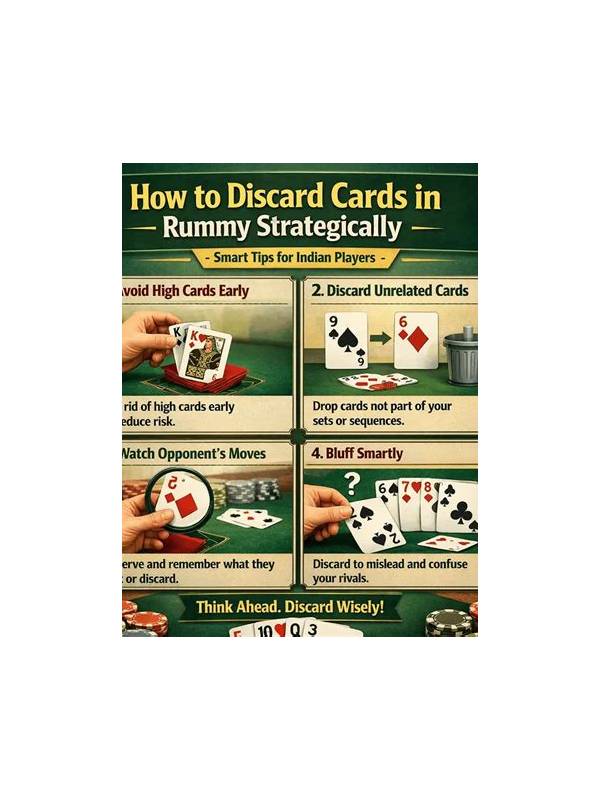
Rummy Tips: Explain a Discard in One Neutral Sentence
A one-sentence explanation exposes the actual basis of a discard without turning review into self-criticism. [...]