Rummy Guide: Separate Card Quality From Card Fit
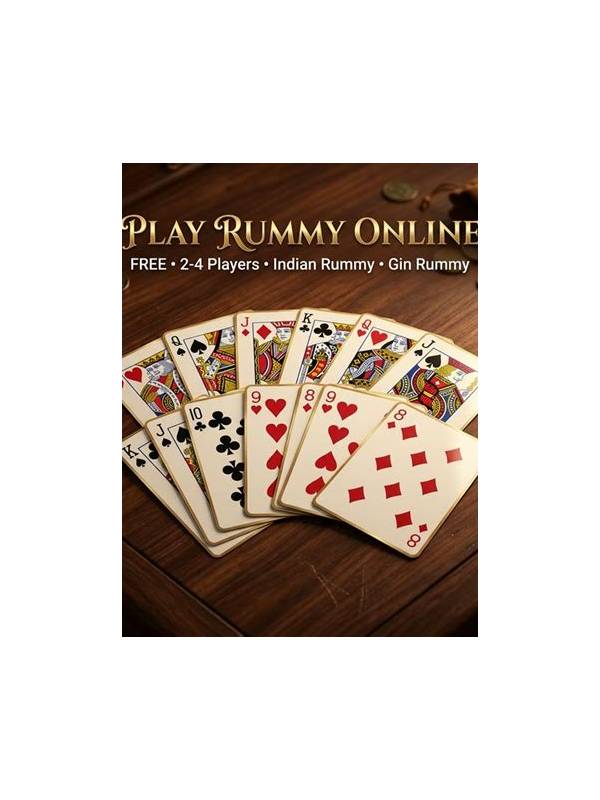
Players often call a card “good” because it is low in points, flexible, or commonly useful. Those properties matter, but they do not determine whether the card fits your current hand. Card quality is a general feature; card fit is a relationship between the card and the routes available now.
A middle card may have strong general connectivity, yet be a poor fit if your hand already contains several competing groups. A high card may be awkward in isolation but exactly the missing rank for a valid sequence. Judge the card in context before choosing a discard.
Use a two-step test. First ask what the card could do in many hands: connect, match, reduce points, or serve as a joker substitute under the rules. Then ask what it can do in this hand. Does it complete a group? Does it preserve two routes? Does it force you to keep another expensive card? The second answer should carry more weight.
Fit also changes over time. A card that was perfect after the opening draw may become redundant after you complete a group. A card that looked ordinary may gain value when a neighboring rank arrives. Reassess the job instead of defending the first impression.
When two discards have similar point values, compare their fit and exit options. Release the card that performs the least useful current job, provided you are not giving away an obvious route or violating the variant rules. This approach prevents point value from becoming the only measure.
The distinction is especially helpful for beginners. It explains why experienced players sometimes discard a seemingly useful connector and keep a less exciting card. They are not ignoring card quality; they are matching the card to the hand they actually hold. Fit can be tested with a replacement question: if this card left the hand, what specific function would disappear? If the answer is “nothing immediate,” it may be a reasonable discard. If the answer names two separate routes, hold it until you compare the cost of preserving both.
This test is not an instruction to keep every versatile card. Versatility has value only when it supports a practical plan. A card with many theoretical uses but no compatible neighbors may be less useful than a simple card that completes a legal group. A card’s fit can also depend on the number of cards still needed for a legal declaration. Near the end of a hand, a modest card that closes a requirement may matter more than a flexible card that preserves several theoretical routes.
Review fit whenever the hand crosses a stage: opening, middle game, and endgame. The same card can deserve a different evaluation in each stage.
Related Post
Rummy Tips: Separate Observation From Interpretation
Keeping facts distinct from guesses leads to calmer and more accurate rummy decisions. [...]
Rummy FAQ: How Can You Avoid Overvaluing a Nearly Complete Run?
A nearly complete run deserves attention, but its missing cards, timing, and alternatives determine whether [...]