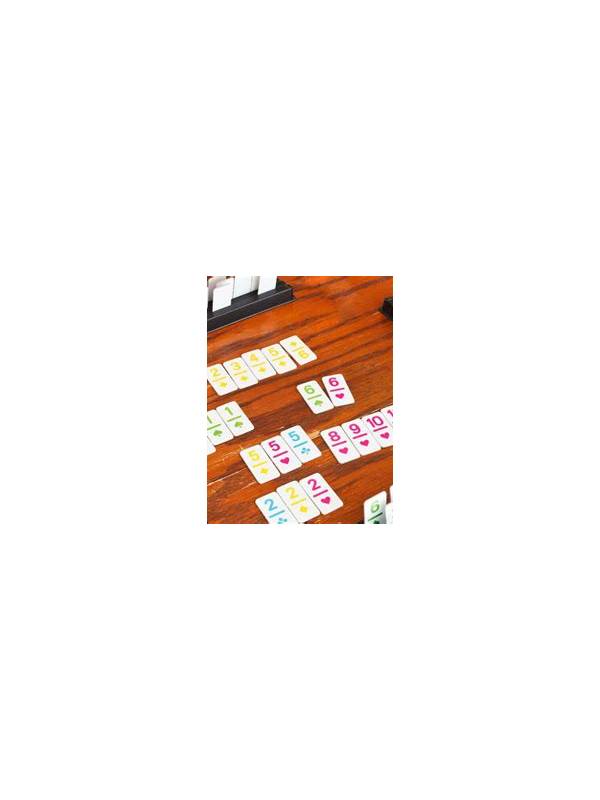
Rummy FAQ: When Should You Recheck a Completed Group?

A completed group usually gives your hand structure, but “looks complete” is not always the same as “is valid.” Recheck it when a joker is involved, when cards may have been sorted incorrectly, or when you are using a rule from a different rummy format.
First verify the group type. A sequence generally requires cards in the same suit and an accepted order, while a set generally requires matching ranks in different suits, subject to the table’s rules. Do not assume that a familiar ace rule or joker rule applies everywhere.
Next check card identity. Confirm suit symbols, rank labels, and duplicates. On a small screen, a quick visual mistake can survive several turns because the group is mentally marked as finished. If the group was built by rearranging cards, recount it from the beginning rather than checking only the last card added.
Then examine joker placement. Ask which card the joker represents and whether that representation is permitted in this group. A joker may be useful but still leave a declaration invalid if a required pure group is missing. A completed group should support the rest of the hand, not hide a rule error.
Recheck again before declaring, especially after drawing or moving cards. Use a fixed order: pure sequences, other sequences, sets, then leftover cards. Compare the layout with the table’s stated declaration conditions. This takes little time and can prevent an avoidable mistake.
The goal is not to distrust every group. It is to reserve a short verification step for moments where a hidden assumption could matter. Once validity is clear, stop reworking the group and direct attention to the unfinished part of the hand. If you find an error, correct the layout before making another strategic decision. Separate the rule correction from the hand evaluation so you do not blame strategy for a validation mistake. In practice, review sample hands with a written rule summary until the sequence becomes familiar.
Once a group passes the check, treat it as stable unless a new rule-relevant fact appears. Constantly reopening a valid group wastes attention that belongs on the remaining cards. Make the check visible by pointing to each card as you name its role. This physical or visual motion can prevent one card from being skipped. It is particularly helpful when the hand has been rearranged several times.
If the table offers an automated validation message, treat it as feedback about the stated rules, not as a reason to stop learning the rule structure. Understanding remains useful when the interface changes.
Related Post
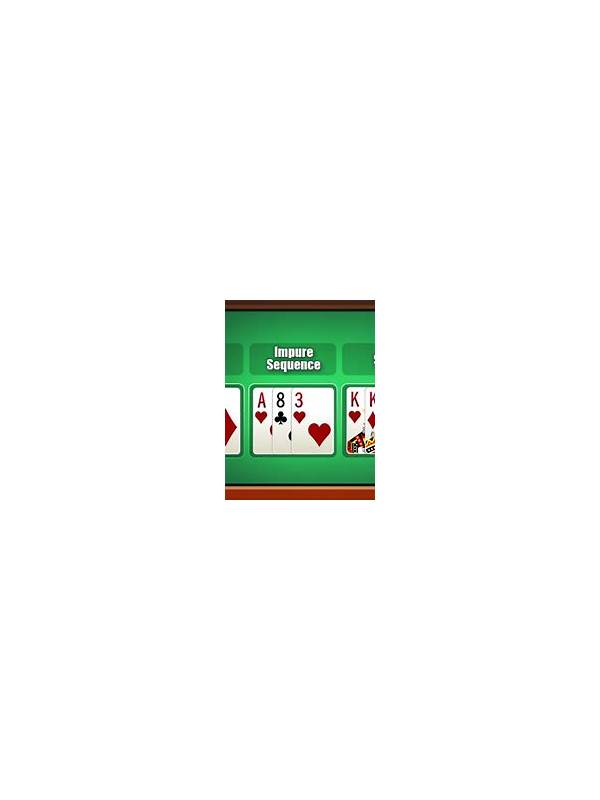
Rummy How-To: Check a Declaration Before Confirming
A deliberate declaration check can catch missing requirements before you confirm a hand under time [...]
Rummy Guide: Read Discard Signals Without Overconfidence
Use visible discard patterns as useful evidence while remembering that they never reveal an opponent’s [...]