Rummy Guide: Plan Around a Known Joker

A joker can make a hand look flexible, but flexibility is not the same as a complete plan. The safest way to use a known joker is to give it a specific job, compare that job with natural alternatives, and keep an exit if the rest of the hand changes.
Start by listing the unfinished structures in your hand. Which one needs a single substitute, and which one needs several cards? Assigning the joker to the smaller, clearer gap often preserves more options. This is only a starting point; a longer structure can be justified when it completes a required route and leaves the rest of the hand stable.
Do not place the joker automatically in the most attractive combination. A natural sequence may be more valuable because it satisfies a requirement without consuming your flexible resource. Conversely, saving natural cards for a weak route while using the joker on a nearly finished route can waste the joker. Compare the whole hand after each possible assignment.
Think in terms of replacement cost. If the joker currently supports a group, what would happen if a natural card later improves that group? Can the joker move to another role, or has the arrangement become too committed? A good placement keeps the card’s future use visible. Mark its role mentally and reconsider it whenever a new draw changes the hand.
Avoid treating a joker as permission to keep every high-value card. If a card has no credible route, the joker does not make that card safe to hold indefinitely. Reduce dead weight and preserve the structures that are genuinely connected. The objective is a valid, manageable hand, not the largest collection of possibilities.
Before any declaration, verify the format’s joker and sequence rules. Different games handle printed and wild jokers differently, and a combination that looks complete may not meet the required conditions. A joker is a tool, not a guarantee. Use it deliberately, review its role, and keep the rest of the hand understandable. For a useful practice drill, take a sample hand and write the joker’s best role before looking for a draw. Then identify the card that would allow you to move the joker elsewhere. This exercise highlights whether you are preserving flexibility or simply hiding an unfinished plan. Always repeat the drill under the rules of the format you actually intend to use. This approach also prevents a common error: treating the joker as a reason to delay every discard. Once its job is clear, remove cards that no longer fit and keep the hand readable. Reassess when a natural card arrives, but do not keep weak cards solely because the joker might rescue them.
Related Post
Rummy How-To: Mark Open and Closed Card Plans
This simple marking method separates reliable combinations from ideas that still depend on a draw. [...]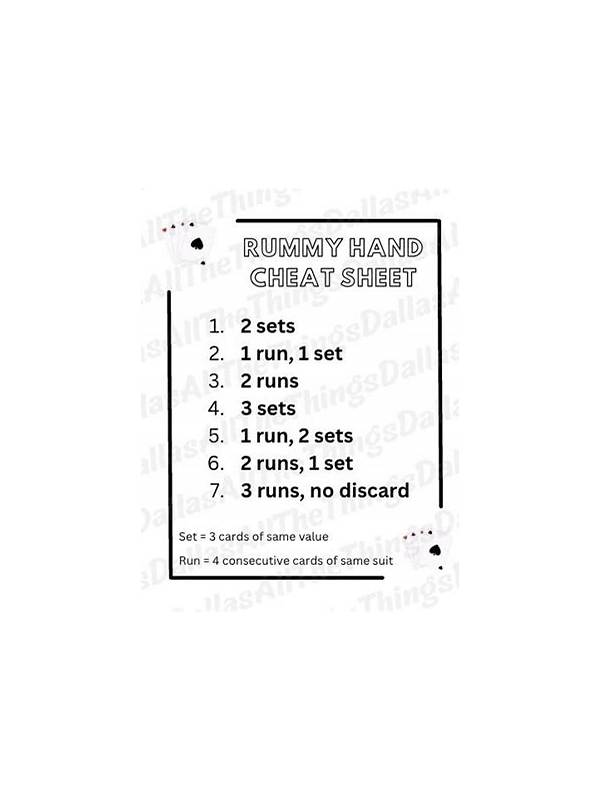
Rummy Guide: Map Your Hand by Potential and Risk
A practical way to weigh useful cards without mistaking possibility for progress. [...]