Rummy Guide: Separate Flexible Cards From Fixed Commitments
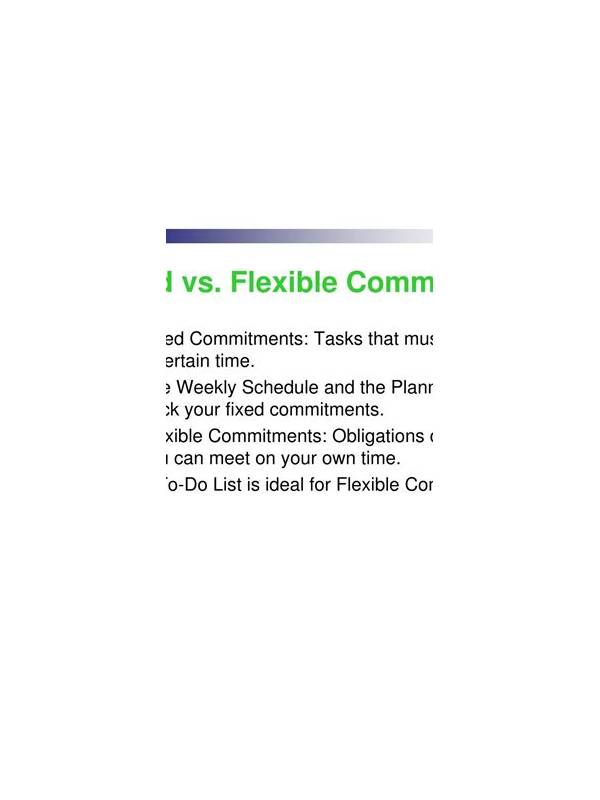
Many rummy decisions become easier when you know which parts of your hand are flexible and which parts have already made a strong commitment. A flexible card can join several plausible groups. A committed card belongs to a nearly complete meld or supports a requirement that is difficult to replace. Confusing the two can make a player protect a weak idea for too long.
Start by sorting your cards into three mental areas: confirmed groups, promising connections, and isolated cards. A confirmed group meets the relevant rules without needing another draw. A promising connection has at least two realistic routes, such as a middle card that could join either neighboring rank or a pair that may develop into a set. An isolated card has no clear partner yet. This classification does not need to be perfect; its value comes from making assumptions visible.
Next, mark commitment. A low-value card inside a confirmed sequence may be more useful than its point value suggests because removing it breaks a requirement. Conversely, a high card sitting beside a hopeful pair may be less valuable if the pair has only one missing route. Ask, “If I draw nothing helpful, what does this card still contribute?” The answer reveals whether you are holding structure or merely waiting.
When comparing discards, prefer the card that releases the weakest commitment while keeping the most flexible alternatives. Do not automatically discard the highest point card. A high card that connects naturally may be safer than a low card that is completely stranded. Recheck the classification after every meaningful draw because one new card can turn a flexible connection into a firm group or make an old plan obsolete.
This approach is also useful after a broken sequence. Instead of trying to preserve every original idea, identify the commitments that still pay for themselves, then rebuild around cards with multiple routes. A short note after the hand can help: list one card you overprotected and one card whose flexibility you underestimated. Over time, this trains you to value future options without treating every possibility as equally real.
The goal is not to predict the exact next card. It is to keep your hand capable of improvement while reducing expensive attachments to fragile plans.
Related Post
Rummy Comparison: One Strong Route Versus Several Weak Routes
One strong route often beats several weak routes when time, space, or card availability is [...]
Rummy Safety: Protect Your Attention From Notification Noise
A few device settings can reduce distraction and prevent avoidable mistakes during a rummy session. [...]