Rummy Set Completion: Compare Rank Groups Without Chasing Them
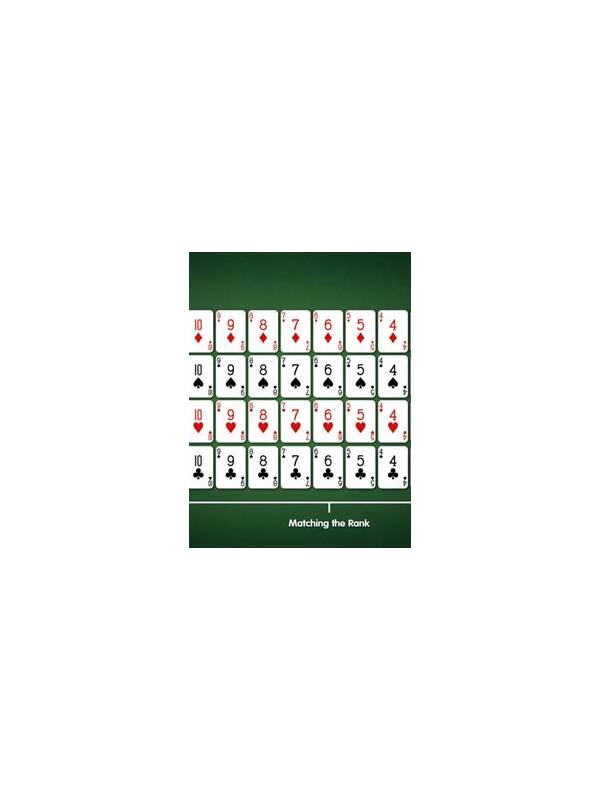
Same-rank groups can look efficient because several suits may complete them. That apparent flexibility sometimes causes players to keep too many pairs and abandon better sequences. Set completion is easier when you evaluate each rank group by its current structure, public evidence, and effect on the rest of the hand.
First, identify the group’s immediate shape. A pair has some potential, while three natural cards of the same rank may already be close to a valid set, depending on the rules. A single card with no supporting neighbor is usually a weak reason to rearrange the hand. The more cards a group already contains, the more clearly you can explain what the next draw accomplishes.
Next, inspect the suits you do not hold. If several possible suits are visible in the discard area, the group’s practical flexibility is lower than its theoretical flexibility. Do not count a card as an active option merely because the deck could contain it. Public information should adjust your estimate.
Compare the set with a sequence alternative. A pair may fit both a rank group and a run, but selecting one role can change which cards you keep. Ask which plan needs fewer additional cards, which plan reduces points if it fails, and which plan is less likely to help an opponent when discarded. There is no permanent rule that sequences are better; the goal is to compare the whole hand.
Watch for the chasing pattern. Chasing occurs when a player keeps a weak pair through several turns only because it once looked promising. Set a review point after one or two draws. If the hand has not improved and another arrangement is becoming stable, release the pair. A modest completed structure is generally more useful than a collection of attractive fragments.
Finally, remember that a set is only one part of a valid declaration. Check the required pure sequence and other format conditions before celebrating a nearly complete group. Good set decisions support the entire hand instead of winning a small local argument with one pair.
When a set is nearly complete, also consider how visible your choices are. Taking an obvious rank from the discard area may signal interest and may provide information to another player. That does not mean you should always hide a useful card, but it is a relevant cost when two completions are otherwise close. Make the choice using the whole table state, then accept that opponents may still read your action differently.
Related Post

Rummy Safety: Create a Quiet Environment for Better Decisions
Reducing interruptions and notification noise can protect attention during a focused rummy session. [...]
Rummy Guide: Preserve Suit Diversity in an Uncertain Hand
Keeping more than one suit active can protect your options when early draws do not [...]