Rummy Comparison: Fixed Rules or Flexible House Rules?
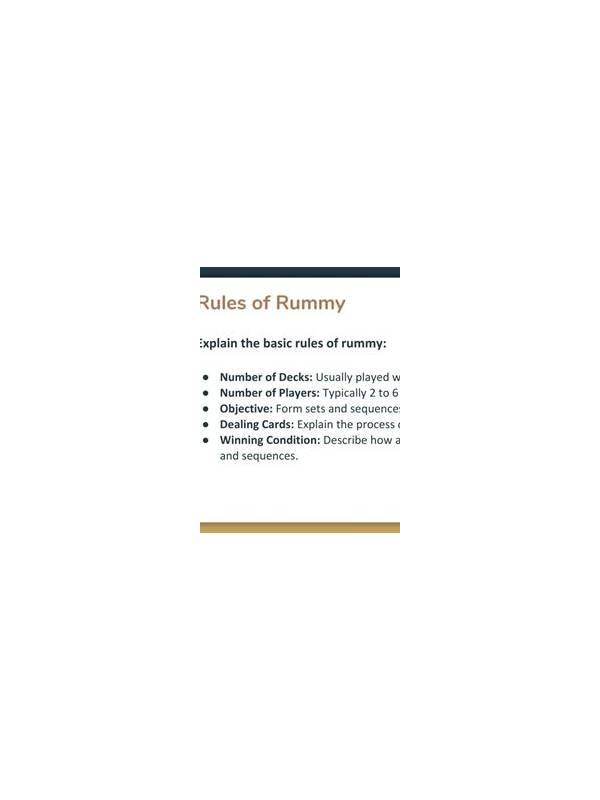
Fixed rules make results easier to compare. Everyone knows the deal size, declaration requirement, joker treatment, scoring, and end-of-hand process before play begins. This consistency is valuable for learners because a mistake can be traced to a decision rather than to an unexpected rule change.
Flexible house rules can be enjoyable in a familiar group. Players may agree to a special reshuffle process, a different time limit, or a local scoring convention. The variety can keep casual games fresh, but it also creates a risk: a player may apply a rule from another group without realizing that the table has changed it.
Before a flexible game, write down the exceptions. Include what counts as a valid declaration, how jokers work, what happens when the draw pile is empty, and how disputes are handled. State whether a rule applies for the entire session or only for a practice round. If someone joins late, explain the differences before dealing.
For skill development, use fixed rules for most practice and flexible rules for deliberate adaptation. After a house-rule session, note which decisions were affected. This keeps your general understanding stable while still allowing you to learn how to adjust. Do not compare scores from two rule sets as if they measured the same performance.
Neither approach is universally superior. Fixed rules support clarity and fair comparison; flexible rules support social variety. The important standard is informed consent: every player should know the conditions, have a chance to ask questions, and be comfortable stopping if the rules are unclear.
Related Post
Rummy FAQ: Should You Keep Two Pairs at Once?
Two pairs may offer options, but keeping both is useful only when their roles and [...]
Rummy FAQ: Why Does a Discard Need a Reason?
Giving every discard a short reason makes rummy decisions easier to review and improve. [...]