Rummy How-To: Create a Beginner-Friendly Teaching Hand
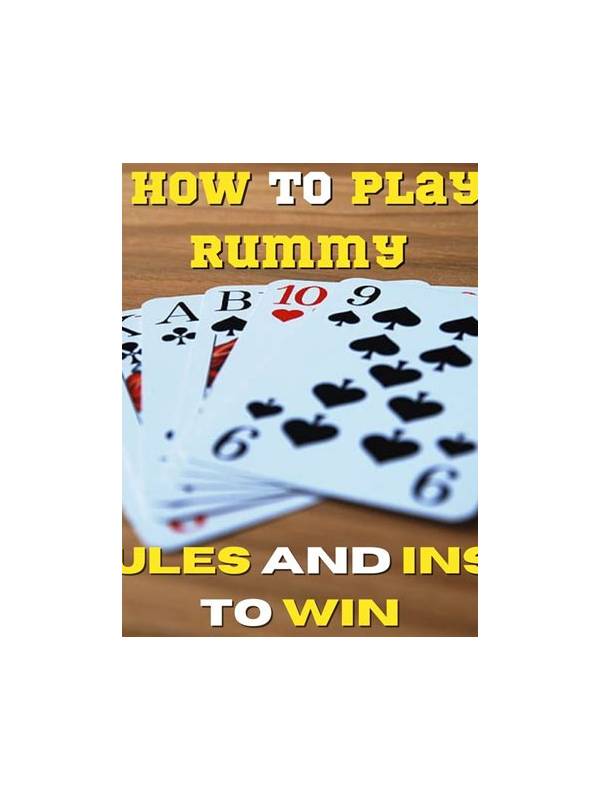
Teaching rummy works better with a prepared example than with a random hand full of competing lessons. Start by choosing one concept: the difference between a sequence and a set, the role of a joker, or the reason a discard changes a plan. Build the example so the concept is visible within a few turns.
Include one clear group, one developing group, and one tempting but expensive possibility. The clear group gives the learner something stable to recognize. The developing group creates a realistic decision. The tempting possibility invites discussion about flexibility and opportunity cost. Avoid adding several jokers or unusual house rules until the basic structure is understood.
Ask questions before explaining. “Which cards already belong together?” is more useful than immediately naming the answer. Then ask, “What would you draw to improve each unfinished group?” and “Which card has the fewest routes?” Let the learner describe uncertainty. Correct the rule first, then discuss strategy; mixing the two can make a simple legality issue feel like a failure of judgment.
Demonstrate one draw at a time. After each change, pause and ask whether the card completed a group, improved a route, or merely looked attractive. Keep the example small enough that the learner can track it without constant rearrangement. If using an app, explain the interface separately from the card logic.
Finish with a short recap in the learner’s words. Ask them to state what makes a pure sequence, what a joker can do under the chosen rules, and why a discard is not automatically bad because it is high value. A good teaching hand leaves one transferable question, not a pile of memorized exceptions.
Related Post

Rummy Comparison: Confidence Scores Versus Binary Decisions
Compare simple yes-or-no choices with confidence scores when reviewing uncertain rummy decisions. [...]
Rummy Tips: Use a Two-Question Opponent Check
Two focused questions can improve table awareness without turning every discard into a complicated prediction. [...]