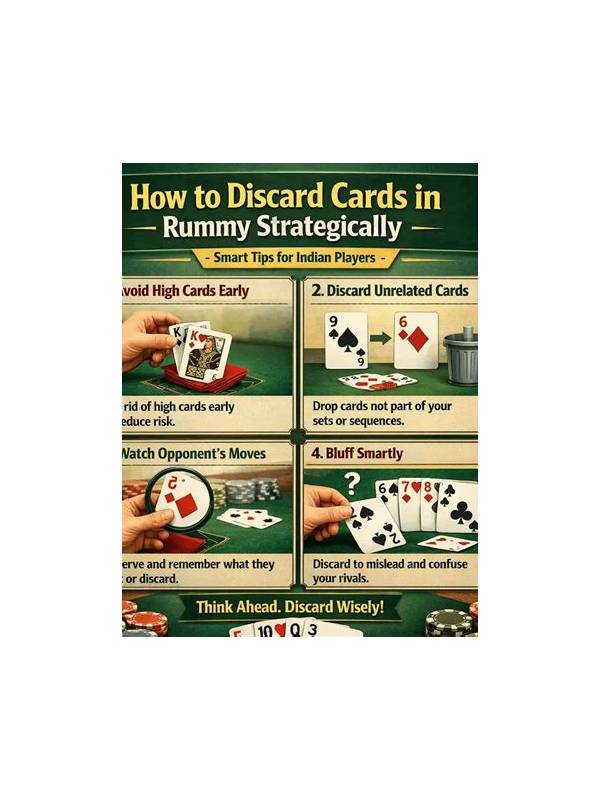
Rummy Comparison: Fixed Deadlines Versus Natural Plan Changes
Players change rummy plans in two common ways. Some set a fixed deadline for a route and switch when it expires. Others wait for a new card or visible discard to make the change feel natural. Each method has strengths and weaknesses, and a combined approach is usually easier to apply.
Fixed deadlines prevent silent overinvestment. If a pair receives no support after two relevant draws, a deadline gives you permission to release it. This is especially useful when the route is emotionally attractive or when its cards carry significant point cost. The weakness is rigidity: an important new clue may arrive just as the deadline ends.
Natural changes respond well to information. A card can complete another group, reveal that a needed route is crowded, or make a fallback suddenly stronger. The weakness is that waiting for a dramatic event can keep a weak plan alive for too long. You may mistake patience for strategy.
Use a deadline as a review point rather than an automatic command. When it arrives, reassess the route using current evidence. If the route has gained support, extend it deliberately for one more turn. If it has not, switch. This preserves discipline without ignoring new information.
Also define events that trigger an immediate review, such as a key card appearing in the discard pile or a new draw creating a complete alternative. Do not abandon a route simply because another card looks exciting; compare the full hand first.
The combination is simple: deadlines control time, while new evidence controls direction. Together they prevent both stubbornness and impulsive switching. A good plan can change naturally, but it should never change invisibly.
Write the deadline in a concrete form when practicing: “two draws without a useful neighbor,” or “one more turn unless the route gains a second completion.” Then record whether you honored it and what happened. The purpose is not to force every hand into the same schedule. It is to notice when your natural style waits too long or switches too quickly. Over several sessions, adjust the deadline to the format and pace while retaining the principle that every plan deserves a review point. Write the deadline in a concrete form when practicing: “two draws without a useful neighbor,” or “one more turn unless the route gains a second completion.” Then record whether you honored it and what happened. The purpose is not to force every hand into the same schedule. It is to notice when your natural style waits too long or switches too quickly. Over several sessions, adjust the deadline to the format and pace while retaining the principle that every plan deserves a review point.
Use natural plan changes as evidence for a deadline review, not as a replacement for one. A sudden improvement can justify extending a route, while a sudden cost can justify ending it. In both cases, say what changed and what you will protect next. This keeps adaptation visible to you and makes the hand easier to analyze later.
Related Post

Rummy FAQ: Does a Neat Layout Mean a Strong Hand?
Find out why visual order can help scanning without proving that a rummy hand is [...]
Rummy Tips: Give Every Flexible Card an Expiration Point
Flexible cards are valuable, but keeping them forever can prevent a hand from becoming clear [...]