Rummy FAQ: What Should You Notice in a New Table?
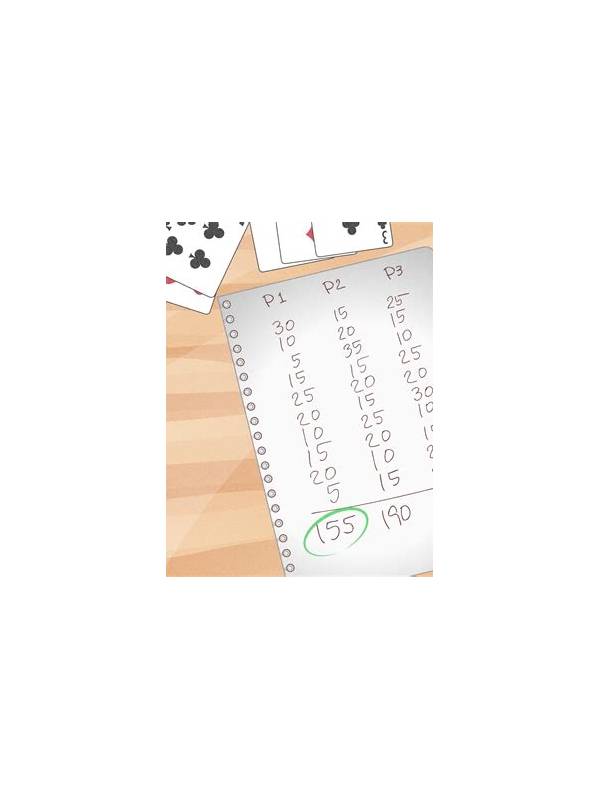
Joining a new rummy table can feel like entering a conversation halfway through. You may know the rules but not the pace, habits, or variant details. The best response is a brief observation routine. Notice what is certain, record what is merely possible, and let your own choices remain independent of dramatic early moves.
First confirm the table settings. Check the format, player count, target score, joker treatment, declaration rules, and any entry or time conditions. Similar-looking tables can use different details. A strategy that is sensible in one format may be wasteful in another, so treat the displayed rules as the primary source.
Next observe the flow. Is the discard pile easy to read? Are turns quick or deliberate? Do players frequently take open cards, or do they prefer the closed draw? These observations describe the environment; they do not prove a player’s hand. One open-card pickup can have several explanations, so avoid building a full story from it.
During your first few turns, use a conservative plan. Sort your cards, identify one confirmed or nearly confirmed route, and choose discards that do not reveal more than necessary. You do not need to copy the fastest player. Your objective is to understand the table while reducing your own unconnected points.
Keep an eye on practical signals too. A lagging display, unclear animation, or confusing timer can cause an accidental action. If the interface makes a move ambiguous, pause and verify before committing. A calm technical check is more useful than trying to recover from a rushed click.
After the first round, review only concrete evidence. Which cards were taken from the open pile? Which cards were repeatedly discarded? Which assumptions about pace or rules were correct? Separate these facts from interpretations such as “that player must be building a set.” This separation protects you from overconfidence.
The purpose of a new-table routine is not to profile opponents. It is to create a stable starting point. Confirm settings, observe tempo, protect your hand, and update beliefs gradually. If the table remains confusing or stressful, leaving and choosing a clearer session is a reasonable decision.
Also notice how the table communicates important events. Some interfaces show a declaration warning, a turn timer, or a rule reminder in a small area of the screen. Learn where those signals appear before the hand becomes close. A player who knows the table’s visual language can spend attention on cards instead of searching for controls. Familiarity is useful, but it should never replace reading the actual settings.
Related Post
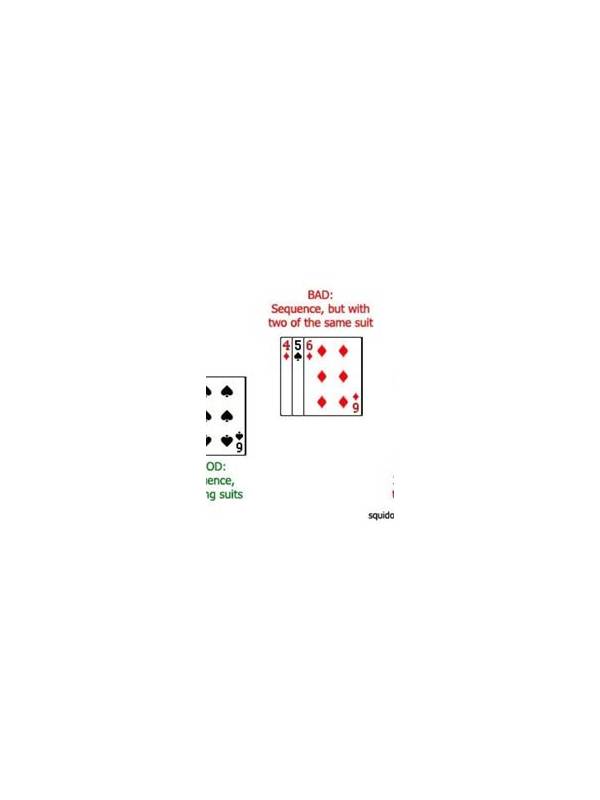
Rummy How-To: Audit a Sequence Before You Commit to It
A short sequence audit checks continuity, suit, flexibility, and completion time before you build around [...]
Rummy Tips for Reviewing a Hand Without Blame
Turn a completed rummy hand into a useful learning note by examining decisions without turning [...]