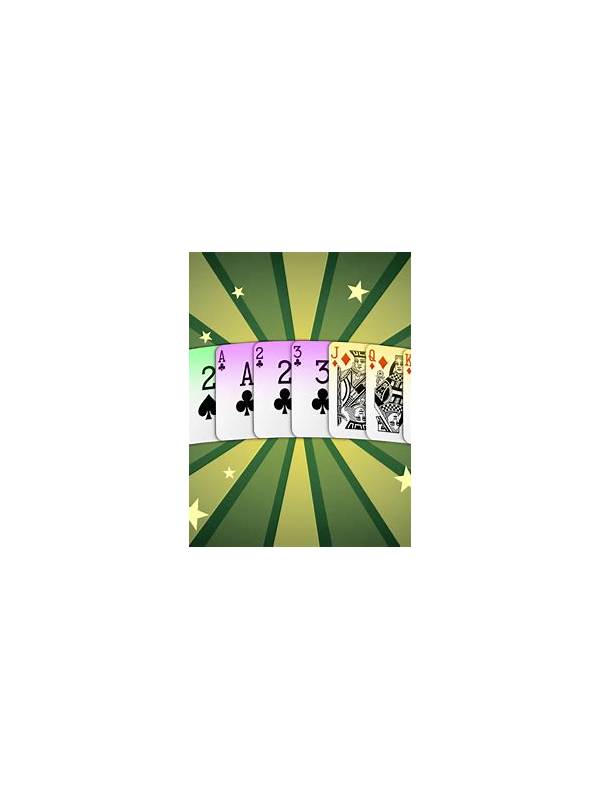
Rummy FAQ: Can a Set Be Too Expensive to Keep?
A completed set feels secure because it removes cards from immediate uncertainty. Yet a set can be expensive to keep. Its cards may be high value, may contain a useful sequence card, or may consume a joker that would serve a more important purpose. Security should be checked against the whole hand.
Start with the format requirement. If you still need a pure sequence, do not protect a set at the expense of the only cards that can build one. A valid hand is not simply a hand with several attractive groups. The completed set helps only when the remaining structure can satisfy the rules.
Next, inspect the set’s card values and flexibility. A low set may be inexpensive to hold, while a high set creates more risk if the rest of the hand stays loose. Also ask whether one of its cards can join a sequence without destroying the set entirely. Sometimes a three-card group offers a useful alternative; sometimes breaking it creates more problems than it solves.
Joker-assisted sets require special care. The joker may make the set look complete but could also finish a pure or impure sequence elsewhere. Compare the number of cards each use would repair and the requirements each use would satisfy. A joker is not automatically best where it first appears.
Finally, consider timing. Early in a round, a completed set can provide a stable anchor while you develop other groups. Late in a round, the same set may be worth preserving if it reduces penalty, or worth breaking if it is blocking the final requirement. There is no universal instruction to keep or break it.
Treat a set as an asset with an opportunity cost. Keep it when it supports the required structure and does not trap valuable cards. Reconsider it when it consumes the only route to validity or leaves the rest of the hand dangerously narrow. This check turns comfort into a reasoned choice.
When you break a set, keep the cards visibly separated until the new arrangement is verified. This avoids mentally counting a group that no longer exists. If the change does not improve a required structure or reduce a clear risk, there may be no reason to make it. Stability has value when it supports, rather than obstructs, the rest of the hand.
The question is always comparative: what does this set prevent, and what does breaking it create? Answering both sides is safer than reacting to the comfort of a completed group.
Related Post

Rummy How-To: Create a Pre-Declaration Pause
Use a short pause before declaring to catch structural, counting, and interface mistakes. [...]
Rummy Tips: Notice When a Card Changes Jobs
A card’s value can change as the hand develops, so review its role after meaningful [...]