Rummy Guide: Recover From a Misread Discard
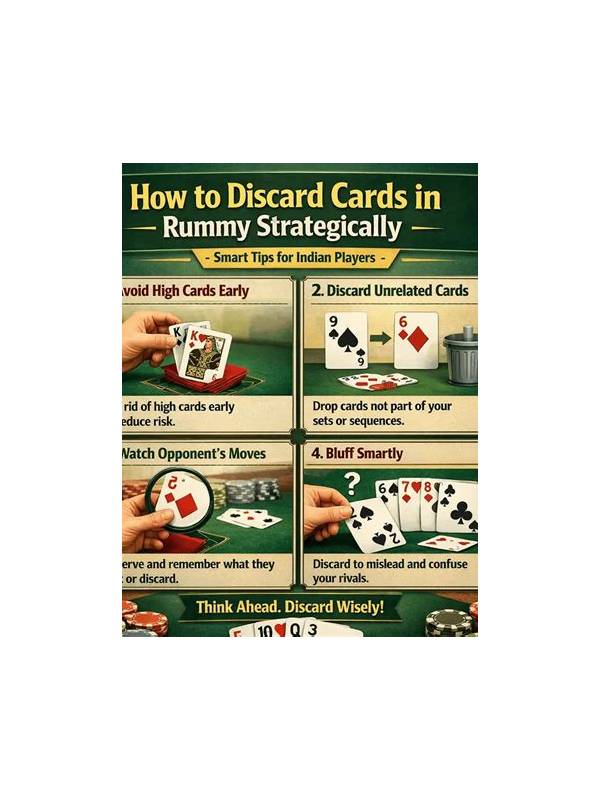
Everyone misreads a discard sometimes. Perhaps a card looked isolated but was part of a useful route, or you assumed an opponent wanted a rank that they ignored. The important question is not whether the earlier interpretation was perfect. It is whether the current hand can be made clearer now.
Name the assumption briefly. “I thought this card had no extension” is more useful than “I played badly.” Then identify the cost: did the discard break a pair, reveal information, lose a flexible card, or leave you with a high unconnected card? A precise cost tells you what to repair first.
Do not try to reverse the mistake emotionally. You cannot retrieve a discarded card unless the rules explicitly allow it, and you should not keep a weak substitute merely because it resembles the lost card. Re-sort the hand and locate the strongest legal or nearly legal group available now.
Next choose a recovery route with a short horizon. Decide what the next one or two useful draws would be and what you will discard if they do not arrive. If the recovery depends on a single exact card, compare it with a route that reduces points more gradually. A smaller improvement with several outs may be safer than a dramatic rescue.
Use the table’s new information carefully. If another player takes the card you misread, that confirms it had value to them, but not necessarily the value you imagined. If it remains available and you later draw it, reassess its role from the complete hand rather than treating the event as proof of a prediction.
After the hand, record one lesson. Maybe you need to check competing routes before discarding a pair, or to distinguish “unknown” from “unusable.” One specific adjustment is easier to apply than a general vow to be more careful. Recovery is a skill: accept the new state, reduce unfinished work, and let evidence—not regret—choose the next card.
Do not overcorrect by rejecting every similar discard in the future. One misread does not make the opposite rule correct. Instead, add a verification step before releasing a card with a pair, a same-suit neighbor, or a joker connection. Ask what the card contributes now and what it could contribute after one draw. A measured adjustment improves future decisions without creating a new form of automatic play. The aim is better calibration, not perfect hindsight. One calm correction is more valuable than replaying the entire hand.
Related Post
Rummy How-To: Create a Personal Discard Vocabulary
A few consistent labels can make hand reviews clearer and reveal recurring mistakes in your [...]
The Ultimate Guide to the Best Rugby Betting
The Ultimate Guide to the Best Rugby Betting The world of rugby betting can be [...]