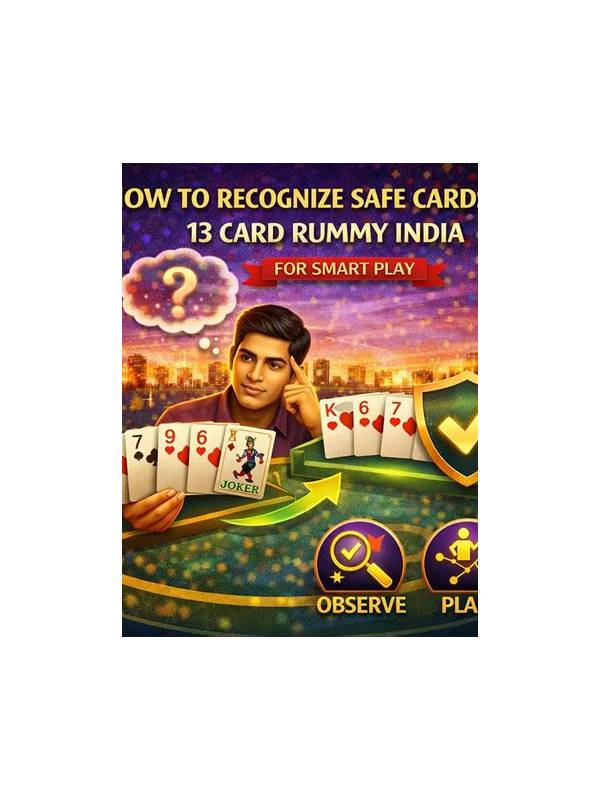
Rummy Comparison: Keeping a Pair or Keeping a Connector
A pair and a connector can both look promising, but they offer different kinds of value. A pair suggests a group that needs one more card. A connector may not resemble a group yet, but it can participate in more than one sequence. The better keep depends on routes, timing, and the rest of the hand.
Start by listing the improvements. A pair of the same rank may need one of several suits, subject to the rules. A connector may work with cards above or below it in one suit, or it may become useful when combined with another card. Count realistic improvements rather than treating both categories as equally flexible.
Then look at competition. If two of your unfinished groups need the same rank, keeping a pair might simplify the hand but create a bottleneck. If the connector can serve one of several independent routes, it may protect you from that bottleneck. Conversely, a connector that depends on a suit you have no other support for can be less valuable than it appears.
Timing changes the answer. Early in the hand, the connector’s flexibility can be valuable because there is time for a second card to arrive. Near the end, a pair with a clear completion route may be easier to finish. Do not use a fixed rule such as “always keep pairs” or “always prefer middle cards.” Use the stage of the hand as part of the comparison.
Finally, compare the discard each choice creates. Keeping the pair may allow you to release an expensive singleton. Keeping the connector may force you to break a more established group. The card you discard is part of the decision, not an afterthought.
When uncertain, set a review point and keep the option that leaves more safe exits. The goal is not to predict the exact next draw. It is to hold the combination that gives you a strong improvement chance without making the next failure unnecessarily expensive.
Also ask whether the pair and connector compete for the same future card. If they do, their apparent flexibility may be misleading because only one can improve first. In that case, examine which route produces a better discard after the shared card is unavailable. This prevents you from counting the same uncertainty twice. A clear comparison may still end in a close call, but the decision will be based on routes and consequences rather than on the visual comfort of holding a pair.
Related Post

Rummy FAQ: Why Does Hand Size Matter When Planning?
Hand size changes how many groups can coexist and how much room remains for repair, [...]
Rummy FAQ: What Should You Notice Before the First Draw?
Answering the most useful pre-draw questions for players who want a calmer and more consistent [...]