Rummy How-To: Build a Pre-Declaration Checklist
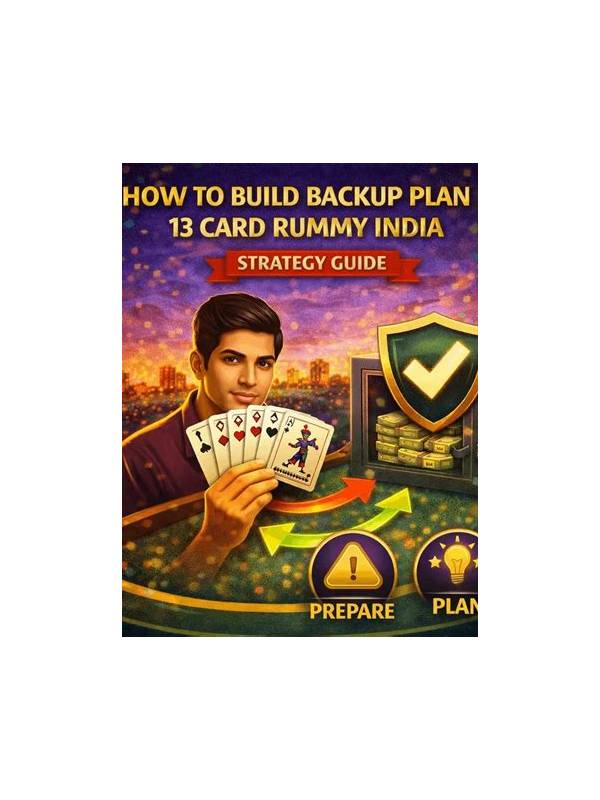
Excitement can make a nearly complete rummy hand harder to inspect. A short checklist slows the final moment just enough to catch an invalid sequence, a misplaced joker, or a card that was never assigned to a group.
Begin with the rule requirements for your format. Confirm how many sequences are needed, whether one must be natural, how sets are defined, and how jokers are treated. Do not rely on a general memory of rummy if the table or platform uses a particular variation. The checklist should match the rules before the hand becomes urgent.
Next count every card exactly once. Start with the clearest natural sequence, then mark the other valid groups, and finally account for any remaining cards. A card that appears to support two groups must be assigned carefully; visual overlap can create the illusion that every card is covered when one group is not actually complete.
Inspect each group separately. For a sequence, check rank order and suit. For a set, check rank consistency and distinct suits where required. For a joker substitution, identify the missing card and make sure the resulting group remains valid. This is slower than glancing at the whole hand, but it is faster than correcting an avoidable declaration error.
Finish with a liability check. Ask whether any card is ungrouped, whether the discard has been made according to the table’s timing rules, and whether the declaration control is being used intentionally. If the interface is unfamiliar or a connection is unstable, pause rather than clicking through uncertainty.
Practice the checklist during low-pressure hands so it becomes automatic. A useful spoken version is: “Rules, count, sequence, set, joker, leftover, timing.” You can adapt the words, but keep the order consistent. The checklist does not guarantee a win; it protects a valid hand from being spoiled by a preventable last-second mistake.
If the hand is online, allow yourself an extra moment to confirm the interface state. Check that the intended cards are selected, that the discard has registered, and that a connection warning has not changed the screen. Never treat a countdown as proof that a declaration is correct. If the platform provides help for a rule you cannot verify, consult it before committing when the format allows. A calm, repeatable check is particularly valuable when a winning-looking hand creates pressure to act instantly. When in doubt, verify before acting; a short pause is cheaper than discovering afterward that one unchecked card invalidated the entire declaration.
Related Post

Rummy App Notification Settings for Focused Sessions
Thoughtful notification settings reduce distractions and make online rummy sessions easier to control. [...]
Rummy Hand Priorities: Rank Tasks Before Choosing a Discard
A clear priority order keeps a complicated hand manageable from draw to discard. [...]