Rummy Safety Checklist for Notifications and Distractions
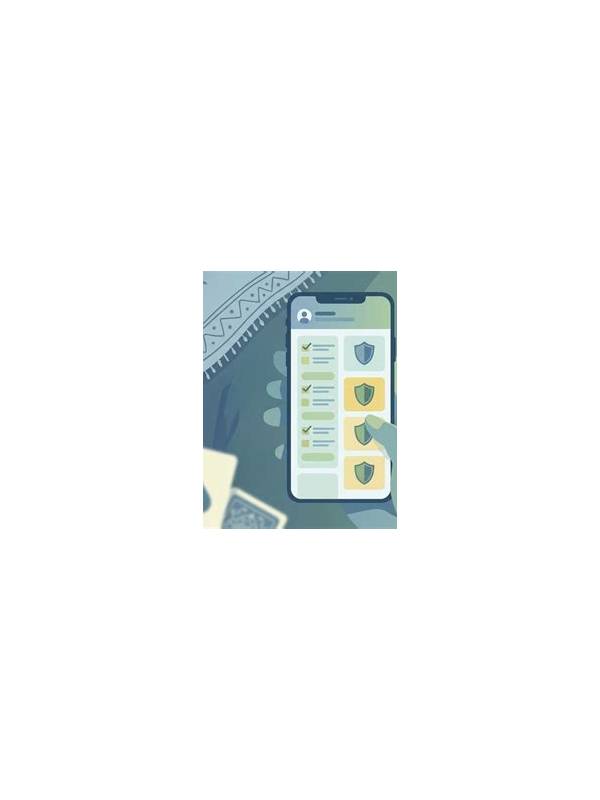
Notifications can turn a thoughtful rummy decision into a hurried one. A message, call, or app alert may pull attention away just as the table requires a draw or discard. Preparing the device before a session helps protect concentration and also reduces the chance of acting on the wrong screen.
Set a short pre-session routine
Before joining a table, check the battery, connection, volume, and available time. Close unrelated apps that may display pop-ups, and enable a suitable focus or do-not-disturb mode if your device supports one. Make sure important calls can still reach you through an exception rather than disabling every alert without thought.
Keep the table identifiable
If a notification appears, do not tap through it automatically. First confirm that the rummy table remains in the foreground and that it is your turn. Interfaces can change when a device resumes from a call or lock screen. A two-second orientation check is usually cheaper than correcting a misclick or an unintended discard.
Avoid multitasking
Watching video, replying to messages, or switching between several tables divides working memory. You may remember a card but forget which opponent discarded it, or confuse a draw with a discard. One active table and one clear objective make it easier to evaluate the hand fairly.
Plan for interruptions
If you expect to be interrupted, choose a format and pace that allow a clean pause where the platform supports it. Do not begin a session while driving, working with equipment, or handling a responsibility that may require immediate attention. When an interruption happens, take a breath, review the visible hand and discard pile, and only then continue.
Protect privacy
Notifications can reveal message previews or account details to people nearby. Use a private display setting, turn off lock-screen previews, and avoid playing on a shared screen when sensitive information could be visible. Never share account codes, payment details, or personal documents through a game chat or an unverified support contact.
Know when to stop
Repeated mistakes after interruptions are a useful signal. If you are missing turns, losing track of the hand, or feeling pressure to hurry, leave the session when the rules permit and return later. A break is a safety measure, not a sign that the game must be forced to a conclusion.
A distraction checklist is simple: prepare the device, reduce nonessential alerts, confirm the table after every interruption, and keep private information private. These habits improve both digital safety and the quality of your card decisions.
Related Post
Rummy Safety: Keep Screenshots Out of Shared Chats
Avoiding hand and account screenshots in shared chats protects privacy and prevents misunderstandings during rummy [...]
How to Track an Opponent’s Discard Pattern in Rummy
A lightweight observation method helps you notice useful patterns without trying to reconstruct another player’s [...]