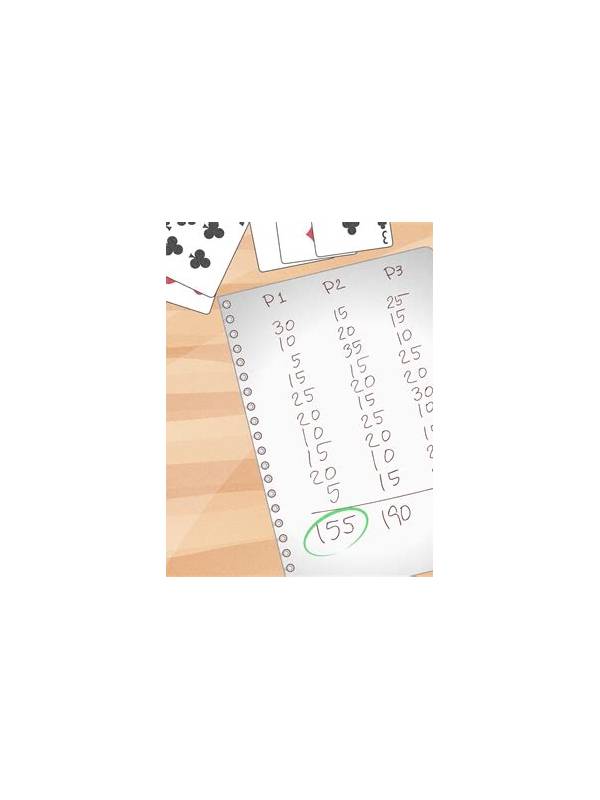
Rummy Hand Rotation: When to Abandon a Weak Idea
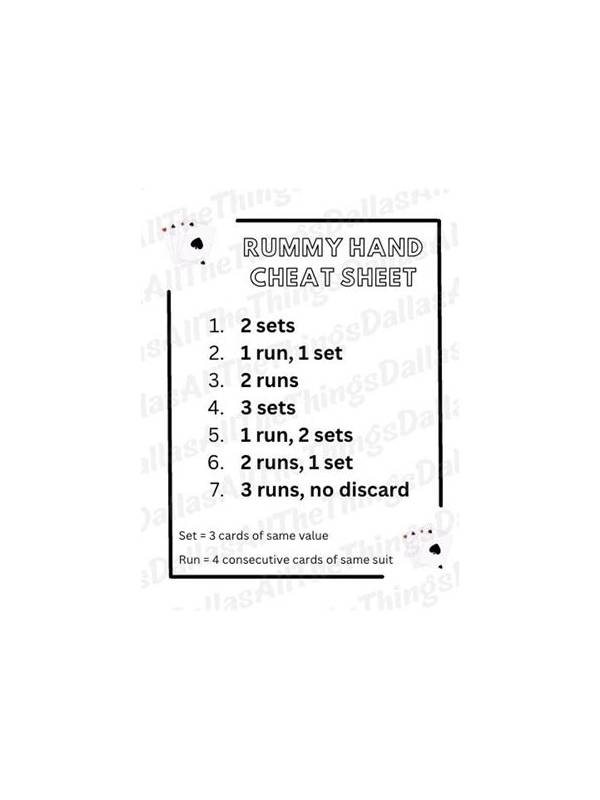
Rotation does not mean discarding randomly. Keep a short list of what is working, what is close, and what is expensive to hold. After drawing a card that does not fit, ask whether several turns have passed without progress. One unhelpful draw is not proof that a plan is bad, but repeated lack of progress is evidence. Reassessing early leaves more turns for a new structure to develop and prevents the sunk-cost feeling that an old idea must remain. Rotation does not mean discarding randomly. Keep a short list of what is working, what is close, and what is expensive to hold. After drawing a card that does not fit, ask whether several turns have passed without progress. One unhelpful draw is not proof that a plan is bad, but repeated lack of progress is evidence. Reassessing early leaves more turns for a new structure to develop.
Players often keep an early plan too long. Two cards suggest a sequence, so every later draw is judged by whether it supports that pair. This is understandable, but it can leave the hand crowded with low-probability ideas. Hand rotation means deliberately replacing a weak plan when the evidence changes.
Begin by naming the plan precisely. Instead of saying “these cards look useful,” identify the missing rank or ranks and the suit requirement. If the plan needs several specific cards, label it speculative. A precise description makes it easier to notice when another group has become stronger.
After each draw, compare all incomplete plans. Consider proximity, overlap, and scoring risk. A new set possibility may be better than a distant sequence. A high card with no connection may deserve replacement even if it once sat beside a promising connector. Completed groups should be protected, but incomplete ideas remain candidates for review.
Abandoning a plan is not the same as admitting a mistake. The hand has changed, and good decisions use current information. Avoid the sunk-cost feeling that a card must stay because it survived several turns. Its future value matters more than the time already spent holding it.
Jokers can make rotation harder because they keep many plans alive. Set a rule for yourself: first seek natural groups, then assign a joker to the plan that creates the clearest valid structure. If the joker is being used to defend several unrelated cards, the hand may need a broader reset.
A useful checkpoint is to ask, “If I saw this hand for the first time now, which group would I build?” The answer may reveal a cleaner direction. Rotation cannot guarantee a win, but it prevents loyalty to a fading idea and keeps the hand responsive to new evidence.
Related Post
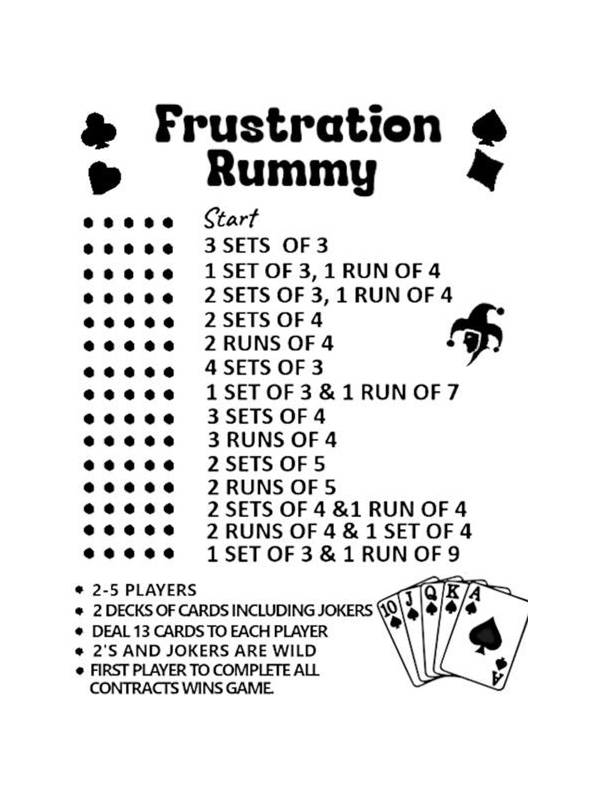
Rummy How-To: Practice Discard Decisions With a Timer
Timed discard drills improve decision clarity by separating useful speed from rushed guessing. [...]
The Ultimate Guide to the Best Rum Apps for 2026
The Ultimate Guide to the Best Rum Apps for 2026 Are you a rum enthusiast [...]