Rummy Safety: A Responsible Break Schedule for Long Sessions
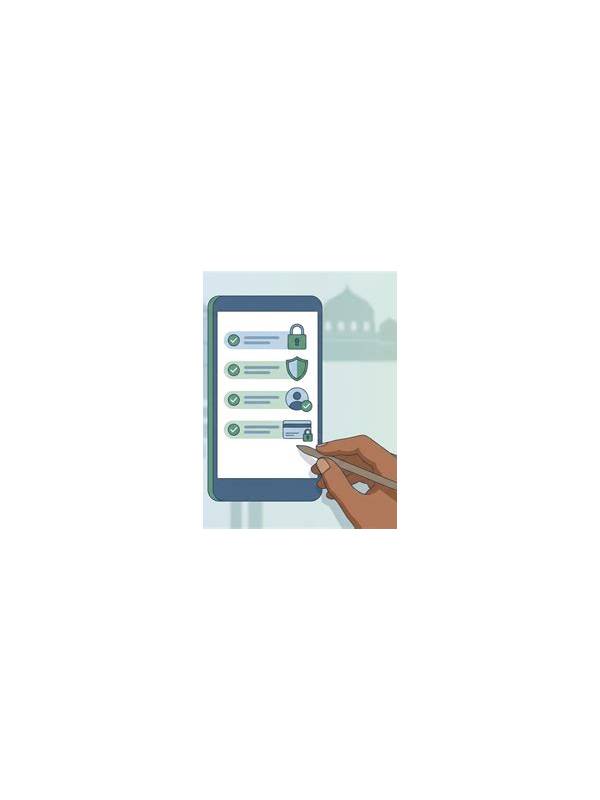
Long rummy sessions can feel absorbing, but attention changes over time. Tired players may overlook a required sequence, click too quickly, or continue after the activity stops feeling recreational. A break schedule gives the session a clear boundary and creates space to check both concentration and spending.
Set the limit before starting
Choose a maximum duration and, if applicable, a fixed entertainment budget before joining a table. Write the limits down rather than relying on how you feel later. Do not treat a time or money limit as something to recover after a loss. The purpose is to make the decision in a calm state.
Use natural checkpoints
Take a short pause after a small block of hands or at a predetermined clock time. Stand up, drink water, look away from the screen, and assess whether you are still making deliberate decisions. A break of several minutes can reveal fatigue that is difficult to notice while continuously playing.
Check for warning signs
Stop earlier if you feel unusually urgent, irritated, sleepy, or determined to continue only because the previous hand went badly. Other warning signs include hiding play from people who need to know, increasing stakes without a prior plan, and repeatedly ignoring your own limits. These signals matter more than a schedule.
Make breaks real
Do not use the pause to open another table or follow game results. Move to a different room, stretch, or handle a non-screen task. If the platform has an auto-play or turn timer, understand how the table behaves while you are away. Never leave a live hand unattended if doing so could create an unintended action.
Review the budget separately
During a break, look at the amount already spent and the amount remaining in the planned limit. Avoid transferring more money simply to extend the session. If account controls, deposit limits, or cooling-off tools are available, use the official settings rather than informal promises to yourself.
Responsible play is easier when stopping is designed into the session. Set a boundary, pause at predictable points, respond to warning signs, and let the break lead to a genuine decision about continuing. If the activity is causing distress or financial harm, stop and seek appropriate support.
You can also make the end automatic by setting a calendar reminder or device limit before play begins. Treat the reminder as a decision point, not an invitation to negotiate with yourself. A planned ending protects tomorrow’s attention as well as today’s budget.
Related Post
Rummy How-To: Sort Your Hand for Faster Decisions
A simple sorting routine can make useful combinations easier to see without forcing a rushed [...]
Rummy FAQ: Can You Change Your Plan After a Useful Discard?
Learn when a visible discard justifies changing direction and when it is better to keep [...]