Rummy Hand Rotation: Practice From Different Starting Sorts
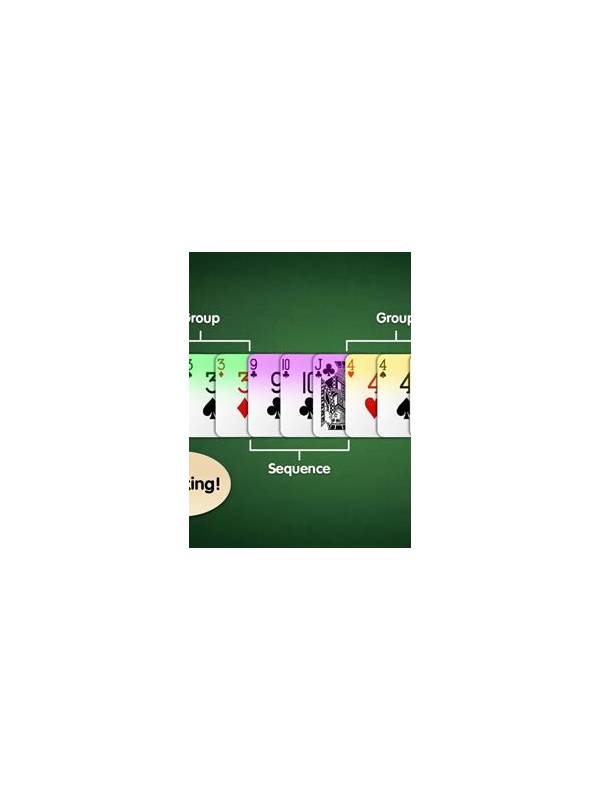
The way you arrange cards influences what you notice. Sorting by suit may reveal runs quickly, while sorting by rank may make sets obvious. Neither view is complete. Rotating your starting sort during practice is a simple way to test whether your decisions depend too heavily on one visual habit.
You can also ask another learner what they noticed first, then compare observations without revealing private live-game information. Differences in what each person sees are useful clues about which sorting views deserve more practice.
Use three basic arrangements. The first is suit order, from low to high within each suit. The second is rank order, with matching ranks placed near one another. The third is role order: confirmed groups, promising links, and loose cards. Do not change the cards between views. The exercise is about perception, not finding a better deal.
After each arrangement, spend thirty seconds naming the strongest route you see. In suit order, note the clearest sequence opportunities. In rank order, identify sets and repeated ranks. In role order, mark which loose cards have more than one possible job. If a plan appears only in one view, ask whether it is genuinely strong or simply easier to see there.
Avoid making a new plan for every visual change. Rotation is an observation exercise. Record the route that survives across at least two views, then record the route that depends on a narrow assumption. This distinction helps you separate robust structure from a tempting pattern.
The practice can be made more realistic by adding a time limit. Give yourself one minute for all three views, then choose one card to release. Review whether the rotation improved your clarity or merely consumed time. In live play, a quick consistent sort is usually more valuable than a perfect arrangement that arrives too late.
You can also rotate after a draw. A new card may make your old layout misleading because it keeps an outdated group visually prominent. Re-sorting exposes whether a completed group is still complete and whether a former connector has lost its purpose. Use this only at natural pauses so the habit does not slow the table.
Keep a short record of surprises. Write, “Rank sort revealed a second set,” or “Role sort showed two cards depended on one missing rank.” After a week, look for a pattern. If you repeatedly miss same-rank opportunities, practice rank-first views. If you overlook sequence boundaries, return to suit order. The goal is flexible attention, not constant rearranging.
Related Post
Rummy Card Notation for Better Practice Reviews
A compact notation system helps you remember decisions without recording unnecessary personal or account information. [...]
Rummy Comparison: One Strong Plan Versus Two Small Plans
Choosing between one developed plan and two smaller plans depends on flexibility, timing, and the [...]