Rummy FAQ: How Does a Wildcard Change a Sequence Plan?
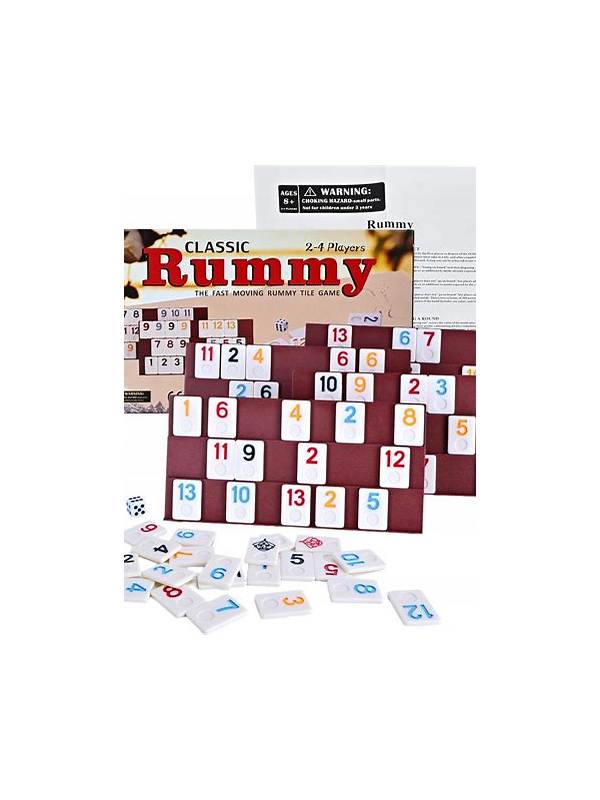
A wildcard can stand in for a missing card in many rummy variants, but its value is not unlimited. It may complete a useful group, preserve a difficult route, or reduce deadwood. It can also hide the fact that a required pure sequence is still missing. Always apply the rules of the specific table first.
When you receive a wildcard, identify the most important structural gap in the hand. If a pure sequence is incomplete, ask whether the wildcard is allowed there; in many Indian rummy formats, it cannot replace a card in a pure sequence. If it cannot, protect the natural cards needed for that requirement and reserve the wildcard for an eligible later group.
Compare immediate completion with future flexibility. Placing the wildcard in a group may make the hand look finished, but the same card could support several different arrangements as new cards arrive. Keep it uncommitted when the hand has multiple credible routes and the rules do not reward early grouping. Commit it when the alternative route is narrow or when the arrangement materially reduces risk.
Avoid using a wildcard to justify retaining unrelated high cards. A flexible substitute does not make every surrounding card valuable. Review the cards left after the proposed meld: are they connected, low-cost, or part of another valid group? If not, the wildcard may have merely postponed a difficult discard.
Before declaring, verify that each group is valid without silently assuming the wildcard can perform any role. Check suit, rank order, group size, and the number of pure sequences required. A written or displayed rules page is more reliable than memory when variants differ.
The central question is not “Where can I put the wildcard?” It is “Which legal placement gives the whole hand the best chance to become valid?” Keeping that question in view turns a powerful card into a planning tool instead of an excuse for wishful grouping. When several legal placements appear equal, prefer the one that preserves information. A wildcard left available can let future draws reveal which natural cards belong together. Once committed, it may make the layout look complete while hiding a weak remainder. Conversely, if leaving it loose encourages you to keep too many unrelated cards, commit it and release the weakest extra card. The best use depends on the complete arrangement, the stage of the hand, and the exact rules—not on the wildcard’s visual appeal.
Related Post
Rummy How-To: Create a Decision Log After Each Hand
A short post-hand log can turn vague impressions into specific lessons for future rummy sessions. [...]
Rummy FAQ: Why Does a Duplicate Rank Need Context?
Duplicate ranks can support a set, but their true value depends on suits, neighboring cards, [...]