Rummy Card Bridges: How to Spot Links Between Groups
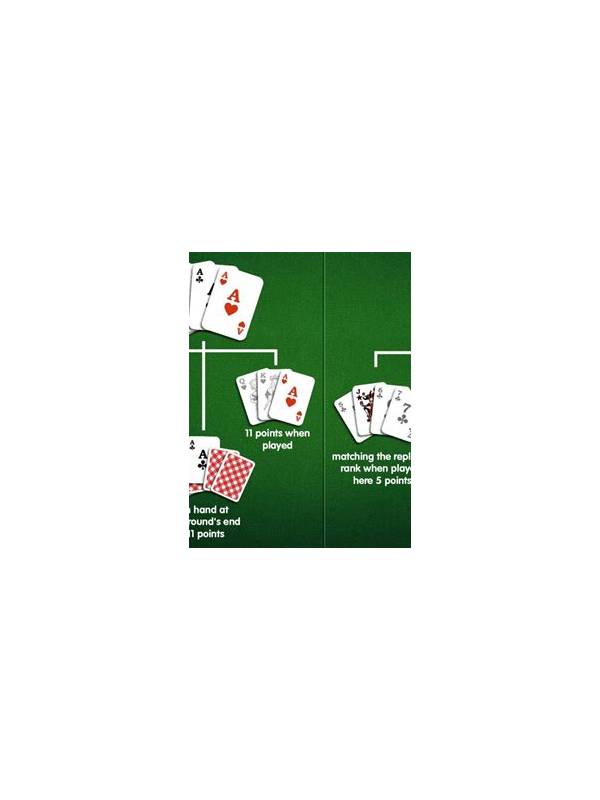
Some cards perform a bridge function: they connect two possible groups or help one route while remaining useful to another. Recognizing these cards can improve sorting, but it also creates a danger. A bridge is not two cards. It is one card with competing jobs.
A bridge can also be a communication risk in a shared physical game: moving it repeatedly may make your intentions easier to read. Arrange cards neatly and privately, and let the official rules determine what information may be visible to others.
To find bridges, list your unfinished groups separately. Suppose two cards could join a sequence and one of them also matches a pair elsewhere. Mark that card as shared. Then write the completing cards for each route. This makes the conflict explicit and stops you from assuming both groups can be completed simultaneously.
Next, compare the routes by width and cost. A bridge supporting a sequence with several possible completions may be more valuable than one supporting a narrow set. However, point value and declaration requirements matter too. A flexible high card can still be expensive if it remains unused, while a lower card may preserve a required pure sequence.
Do not move a bridge simply because a new possibility appears. Ask whether the new route is strong enough to replace the old one. Consider the number of useful cards, the number of turns available, and what happens if the bridge is discarded. If discarding it destroys two plans, hold it temporarily; if one plan is already unlikely, release it and simplify the hand.
Bridges often change jobs after a draw. A card that once connected two routes may become part of a confirmed group. Re-sort after meaningful changes and update the label. A completed group should not continue receiving attention merely because its cards occupy the same visual space.
In practice, give yourself a bridge limit. Mark no more than two or three shared cards in a thirteen-card hand. If nearly every card is marked shared, the hand is not flexible; it is unresolved. Choose the strongest route, classify the rest as loose, and create a discard order.
Review bridge decisions after the round. Ask whether you kept a shared card for evidence-based reasons or because abandoning a plan felt uncomfortable. The purpose of a bridge is to preserve a useful choice for a limited time. Once its alternatives become weak, clarity is usually worth more than another speculative connection.
Related Post
Rummy How-To: Build a Decision Tree for the Next Draw
A small decision tree prepares you for several useful draws without forcing one prediction to [...]
Rummy Strategy: Use a Plan Deadline in the Middle Game
A middle-game deadline prevents a narrow rummy combination from consuming flexibility indefinitely. [...]