Rummy Table Boundaries: Protect Time and Attention
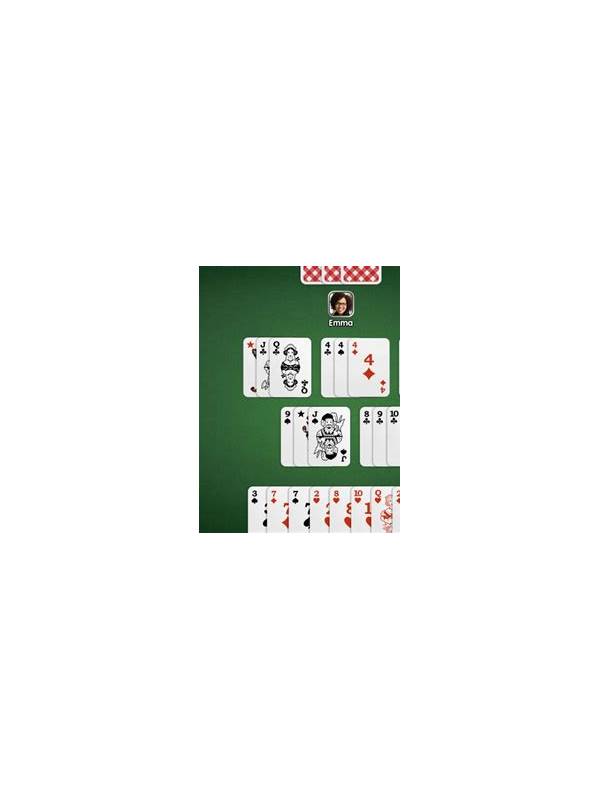
Boundaries are useful before any rummy session, particularly when games are fast or money is involved. They reduce decisions made while tired, excited, or frustrated. A boundary is not a prediction about how the session will go; it is a rule you choose in advance for your own participation.
Set a time boundary first. Choose a stop time or a maximum number of rounds, then put it somewhere visible. Include a few minutes for closing the app and recording notes. If you are playing on a phone, use a neutral alarm rather than relying on the feeling that you have “just one more” round left.
Set an attention boundary as well. Decide what conditions make the session unsuitable: poor internet, a noisy room, low battery, or an interruption you need to handle. If one of those conditions appears, pause or leave according to the table’s rules. Continuing while distracted can turn a manageable hand into a confusing one.
If the game uses funds, separate a spending boundary from a time boundary. Use only an amount you can afford to lose, understand the table’s entry and withdrawal terms, and do not add funds to recover a loss. A budget is a limit, not a target. Keep entertainment money separate from rent, bills, savings, and other obligations.
Choose a response to frustration before it arrives. For example, after two emotionally difficult rounds, take a ten-minute break and review only factual notes. Do not make a higher-stakes decision as a reward for winning or as a reaction to losing. The preselected response removes the need to negotiate with yourself in the moment.
Make boundaries visible but private. A note on your device or a calendar reminder is enough. Avoid sharing account, payment, or personal details in table chat. If another person pressures you to continue, you can end the session without explaining your finances or schedule.
At the end, check whether the boundary worked. Did the alarm arrive too late? Was the table pace incompatible with your attention? Adjust the next session’s conditions, not the limit upward simply because you exceeded it once. Consistent boundaries make practice more sustainable and help keep game decisions separate from impulse. Boundaries are useful before any rummy session, particularly when games are fast or money is involved. They reduce decisions made while tired, excited, or frustrated. A boundary is not a prediction about how the session will go; it is a rule you choose in advance for your own participation.
If you break a boundary, treat that as information about the setup. Adjust the reminder, environment, or table choice before the next session. Avoid turning one exception into permission to remove the boundary entirely.
Related Post

Rummy Table Selection: Questions to Ask Before Joining
Rummy Table Selection: Questions to Ask Before Joining offers practical guidance for clearer, safer, and [...]
Rummy How-To: Recover From a Hand That Starts With Too Many Pairs
A step-by-step approach helps turn a pair-heavy starting hand into a balanced and manageable rummy [...]