Rummy Table Entry: A Quiet Pre-Join Checklist
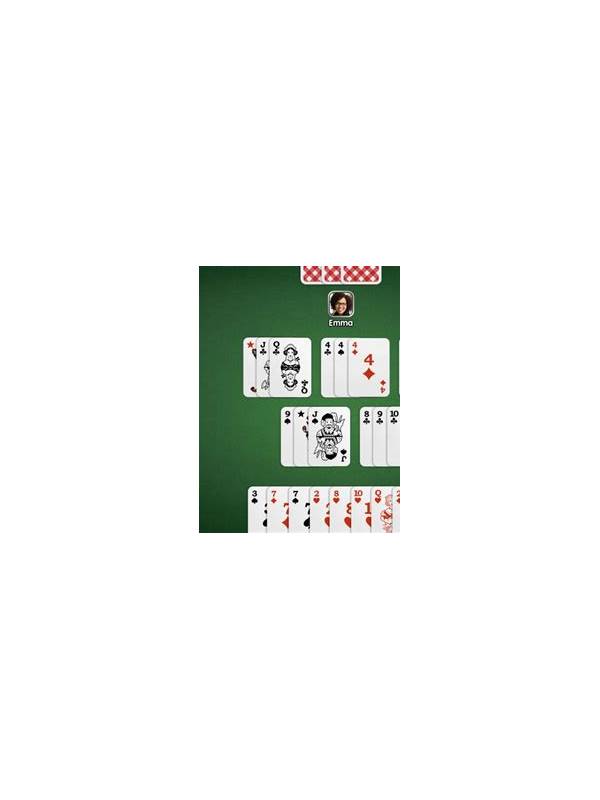
Joining a table is a decision, not a reflex. A short pre-join checklist gives you time to confirm that the format, pace, and conditions suit your purpose. This is especially helpful when an app presents many tables with similar names.
If the table does not explain a consequence clearly, do not experiment in a paid game. Leave, find the official explanation, and return only when you understand the action. A cautious entry is part of good table selection. This small delay is cheaper than correcting an avoidable misunderstanding after a move has been submitted.
Read the table label carefully. Confirm the variant, number of players, scoring method, entry amount if applicable, and whether the table is practice or real-money play. Names can be abbreviated or used differently across platforms. Open the help panel when a term is unfamiliar instead of relying on a remembered definition.
Check the pace. Is there a turn timer? Can you pause? Does the table fill quickly? A fast table may be entertaining but unsuitable for learning a new variant. A quieter table can give you enough time to sort, read the discard pile, and record a decision. Match the pace to your current attention rather than choosing by advertised rewards.
Review practical conditions. Check battery, connection, notifications, and the visibility of card labels. Make sure you are in a private setting if your screen could reveal personal information. If you are using a shared device, sign out of accounts you do not need and avoid saving payment details unnecessarily.
Confirm your own boundary. Decide how long you will play, how many rounds you will review, and what will make you leave. If funds are involved, verify the amount and terms before joining. Never treat a bonus or promotional message as a reason to ignore a limit.
Once seated, spend the first turn observing the interface. Locate the draw sources, discard action, sort controls, timer, and declaration button. Do not click unfamiliar controls just to see what they do. If the table’s rules differ from your expectation, exit according to the stated procedure and make a note for later.
The checklist should take less than two minutes after you have practiced it. Its value is not in predicting the outcome. It is in ensuring that you entered a table you understand, at a pace you can handle, with conditions that support deliberate play. It also gives you a clear reason to decline a table that does not fit.
Related Post
Rummy Practice Variations for Improving Pattern Recognition
Focused practice variations can strengthen rummy pattern recognition while keeping sessions short and purposeful. [...]
Rummy Draw Choices: When the Discard Pile Is Worth Considering
Rummy Draw Choices: When the Discard Pile Is Worth Considering offers practical guidance for clearer, [...]