Rummy Guide: Use a Last-Useful-Card Test
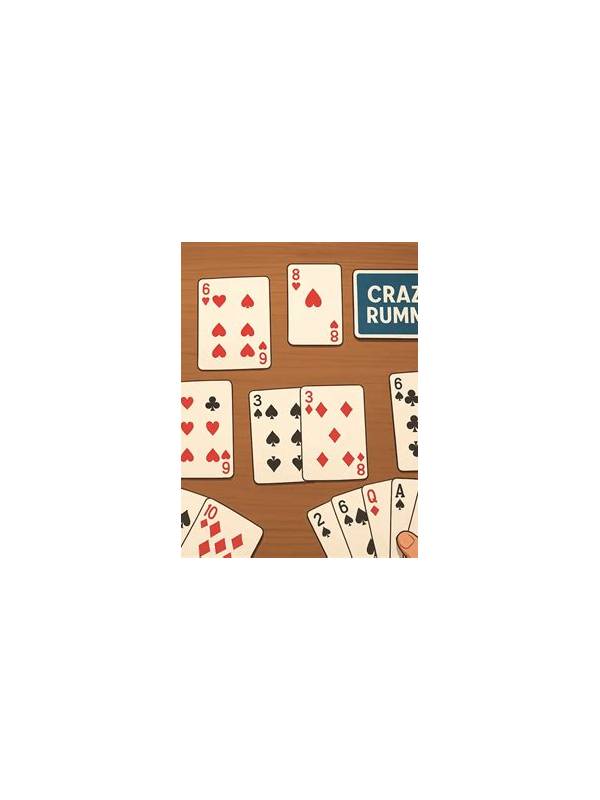
A group can survive in your hand because it was once promising, even after its supporting evidence has disappeared. The last-useful-card test is a simple way to notice this. For each unfinished group, ask which card could improve it next and whether that card is still a practical target under the current rules.
Start with the group that has received the least attention. Name its missing ranks or roles without listing every imaginable card. Then check the discard pile, your own visible cards, and any information the table has provided. You are not trying to prove that the card is impossible. You are asking whether keeping the group remains better than using those cards for another route.
A group with one missing card may still fail the test if that card is unlikely to appear or conflicts with a required sequence. Conversely, a two-card gap can pass if both cards have several ways to help and the group overlaps with another plan. Distance alone is not enough; the quality and number of exits matter.
If a group fails, choose a release order. Discard the card with the least independent value first, while checking whether it is safe under your variant and table information. Do not break a completed required group merely to make the hand look cleaner. The test is about unfinished commitments, not about dismantling valid progress.
Run the test again after a relevant opponent draw or an important open-pile discard. New information can reduce or increase the value of a route. A card that passed earlier may now be a poor investment, while a previously weak group may gain a second useful exit.
This method also improves reviews. Instead of saying you “chased” a group, record the turn when it last passed the test. Then note how many turns you held it after failing. That gap is a concrete target for practice.
Use the test quickly: identify the next useful card, evaluate its practical availability, compare the cost of waiting, and keep or release the group. It creates a stopping rule that protects your hand from sentimental attachment to an old plan.
Do not apply the test mechanically to a route that is required by the rules. Instead, separate “must keep” groups from “would like to keep” groups before testing. This distinction prevents a useful release rule from causing an illegal hand. It also makes your review more precise because you can see which choices were strategic and which were compulsory.
Related Post
Rummy Tips: Prefer a Clear Improvement Over a Clever Trick
Clear improvements are usually easier to evaluate and repeat than clever moves built on several [...]
Rummy Tips: Treat the Discard Pile as a Sequence of Decisions
Viewing discards as a sequence of decisions reveals more than memorizing isolated cards. [...]