Rummy Guide: Use a Reverse Check When a Card Looks Perfect
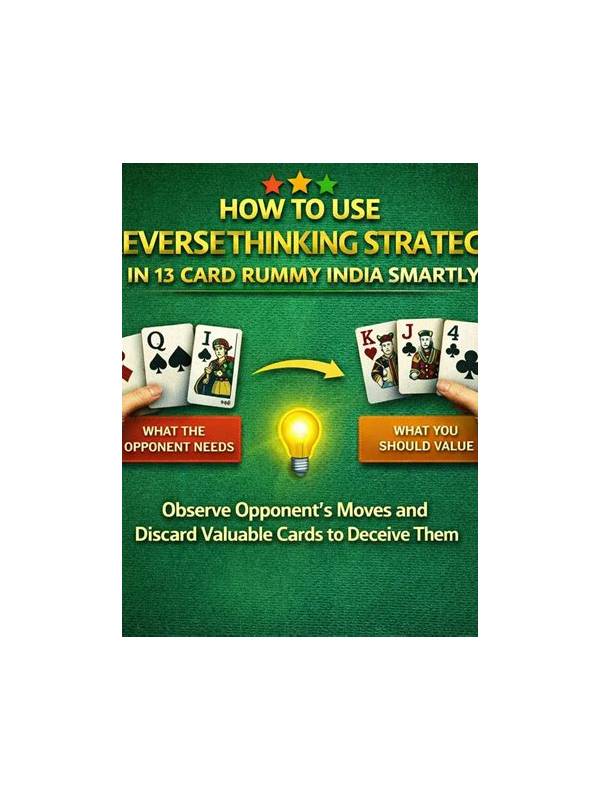
Some cards look perfect because they fit an attractive group immediately. The danger is that the visible improvement can hide a new problem. A reverse check asks you to start with the discard the card would require and work backward.
First, imagine drawing the card. Which card leaves your hand? Identify the actual outgoing card rather than assuming you can discard anything. Then ask what that discard breaks, what point cost it carries, and whether it may provide a useful clue or card to another player.
Next, compare the resulting hand with the hand you have now. Did the new card create a confirmed group, or did it merely move one card into a different unfinished idea? Did the outgoing card have a backup role? A perfect-looking draw may be less valuable when it destroys your only flexible connector.
Run the check on two or three candidate draws, not every imaginable card. Choose the ones that currently influence your decision. If one draw improves the hand while preserving several exits and another creates a narrow route, the difference becomes easier to see.
The reverse check is especially helpful with cards that serve two jobs. A new match may complete a set but require you to discard a connector that supports a sequence. The right decision depends on the format, required structure, and time remaining. The method does not choose for you; it makes the trade-off visible.
Use a short phrase to remember it: “What do I lose to keep this?” If the answer is a weak isolated card, the draw may be genuinely strong. If the answer is a completed group or your only fallback, slow down and compare again.
In practice review, use the reverse check on decisions that felt obvious. These are often the moments when an unnoticed cost slipped past attention. Record the outgoing card and the route it affected. The lesson may be about discard pressure rather than the attractive draw itself.
A perfect card is still part of an exchange. Looking backward from the required discard helps you value the whole hand instead of celebrating one new connection in isolation.
Use the check as a pause, not as a reason to delay every ordinary decision. When the outgoing card is clearly free and the incoming card satisfies an important requirement, a quick confirmation is enough. The method is most valuable at crossroads where the incoming card appears strong but the exchange could quietly change the hand’s entire balance.
Related Post
How to Choose a Comfortable Rummy Table Entry Level
Matching a table entry level to your budget and experience keeps rummy sessions measured and [...]
Rummy Guide: Build a Hand Inventory Before Choosing a Goal
A quick hand inventory turns a scattered set of cards into a practical list of [...]