Rummy Comparison: Concrete Practice Hands Versus Abstract Drills
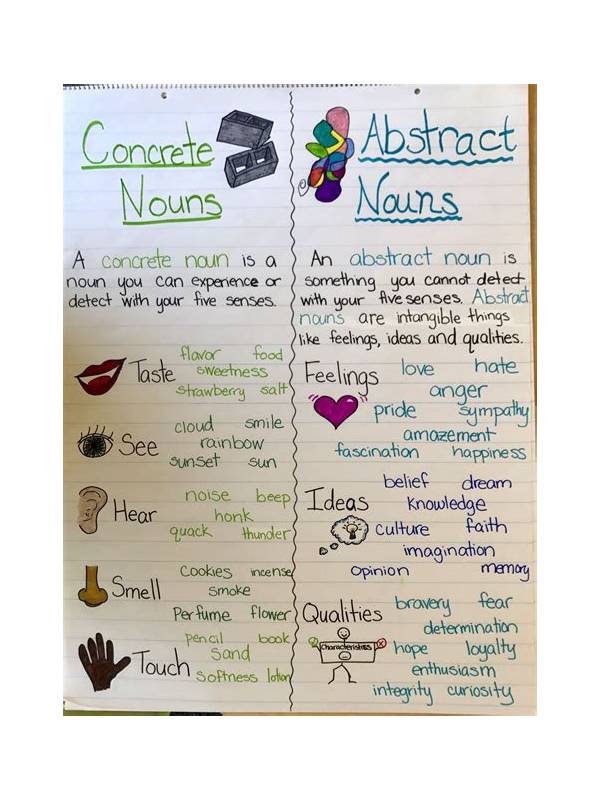
Concrete practice hands reproduce the visual and procedural experience of play. Abstract drills remove most details and focus on one question, such as choosing between two discards. Neither method is complete by itself. The better choice depends on what you are trying to learn.
Concrete hands are useful for beginners because they show how cards interact. You practice sorting, identifying legal groups, tracking changes, and finishing a hand. Their weakness is diagnostic ambiguity. If you make a mistake, it may be unclear whether the cause was sorting, rules knowledge, route evaluation, or timing.
Abstract drills reduce that ambiguity. You can compare two hypothetical discards and list what each preserves without managing a full hand. This makes repetition easy and lets you focus on a recurring error. The tradeoff is transfer: a decision that seems simple in isolation may feel different when surrounded by competing cards and time pressure.
Use a progression. Start with an abstract question, solve several small examples, and then apply the same question in a complete practice hand. For instance, study how shared connectors affect route value, then mark shared connectors while sorting a full hand. If performance changes in the full setting, the problem may be attention or organization rather than understanding.
Alternate formats instead of staying with the easiest one. Concrete hands reveal whether knowledge works under realistic conditions; abstract drills reveal exactly where reasoning breaks. Record the same metric in both, such as whether you identified the route bottleneck before discarding.
Practice should be demanding enough to reveal a decision, but not so complicated that every lesson blends together. Choose one target, use a modest sample, and review the process independently of the result. That combination gives you both recognition and precision. Concrete and abstract work can also alternate within one session. Solve three abstract choices during warm-up, play a small number of complete hands, and finish by revisiting one choice from the live setting. Stop if the review becomes repetitive. The point is to connect a focused concept to realistic execution, then identify the part of that connection that still needs attention. Choose examples that are varied enough to prevent memorization. Change the location of the bottleneck, the number of useful links, or the cost of a discard while keeping the target skill constant. Variety tests whether you understand the principle rather than merely recognizing one familiar pattern. Keep a small answer key for the target skill, not for a preferred outcome. Note the legal options and the reason each one preserves or loses flexibility. Reviewing that key after the drill helps you explain a choice without turning practice into a memorized script.
Related Post
Rummy How-To: Test a Plan With a Neutral Draw
Imagining a neutral draw shows whether a rummy plan has resilience or depends on constant [...]
Rummy FAQ: Why Can a Hand With Good Groups Still Be Invalid?
A hand may contain attractive groups and still fail because it misses a required natural [...]