How to Review a Rummy Hand in Under Thirty Seconds
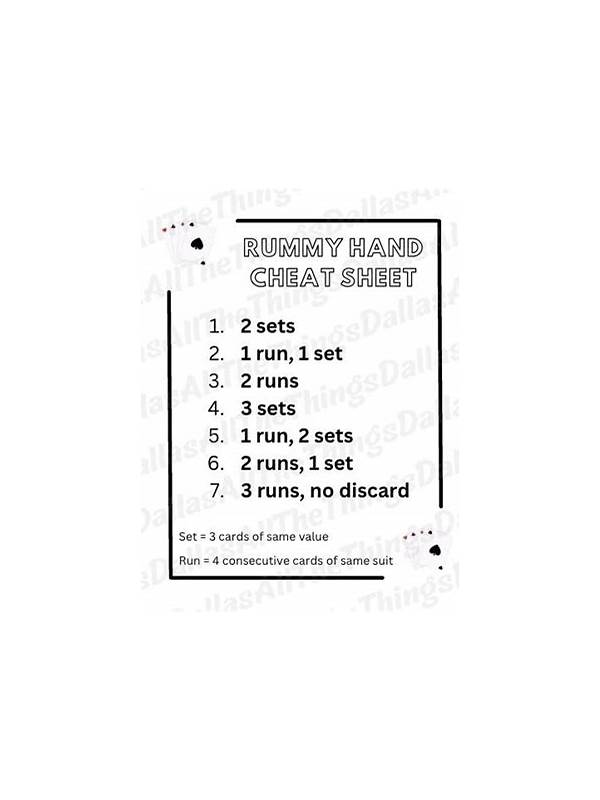
A short review routine is useful when a table timer is running, but speed should come from order rather than panic. The aim is not to calculate every possible arrangement. It is to identify confirmed groups, the most useful connection, and the safest discard before the turn ends.
Start by locating any confirmed pure sequence. Check that the cards share a suit and follow the active sequence rules. Put that group mentally aside so you do not break it accidentally while examining the rest of the hand. If no confirmed pure sequence exists, note that it may deserve priority over a more decorative set.
Second, scan for another established group. A set may contain matching ranks with different suits, while a second sequence may already have a connected pair. Mark the cards that are truly linked and separate them from cards that are merely adjacent in rank. This prevents a quick visual pattern from becoming a false assumption.
Third, identify the single most useful loose card. Ask whether it has multiple realistic connections, whether it is a costly high card, and whether the open discard provides a sensible improvement. You do not need to rank every card perfectly. Find the best candidate for a future group and the worst card to carry.
Fourth, check the discard. Before taking an open card, say what group it improves and what remains missing. Before discarding, consider whether it is an obvious connector that another player may want. This is a brief awareness check, not an attempt to reconstruct every opponent’s hand.
Finally, verify the action. Make sure you have drawn before discarding, selected the intended card, and understood any confirmation prompt. If the hand is still unclear when the timer is nearly finished, prefer a legal, low-risk move that preserves a confirmed group. A rushed speculative arrangement can create a larger problem than a merely imperfect discard.
Practice the scan outside live play by setting a timer for thirty seconds and explaining your conclusion afterward. With repetition, the routine becomes familiar: pure sequence, second group, useful connector, discard, action check. The goal is reliable structure under time pressure, not theatrical speed. The routine should be practiced during low-pressure drills, not invented for the first time in a paid hand. Over time, you can adjust the order to fit the interface, but keep the structural checks intact. A fast review is valuable only when it remains accurate enough to prevent a wrong discard or an invalid declaration.
Related Post

Rummy Tips: Separate a Useful Signal From a Lucky Result
Learn how to review a rummy decision by its information and process rather than by [...]
Rummy FAQ: Should You Always Chase a Pure Sequence First?
A pure sequence is often important, but the best way to pursue one depends on [...]