Rummy Tips: Test a Discard Against Three Future Draws
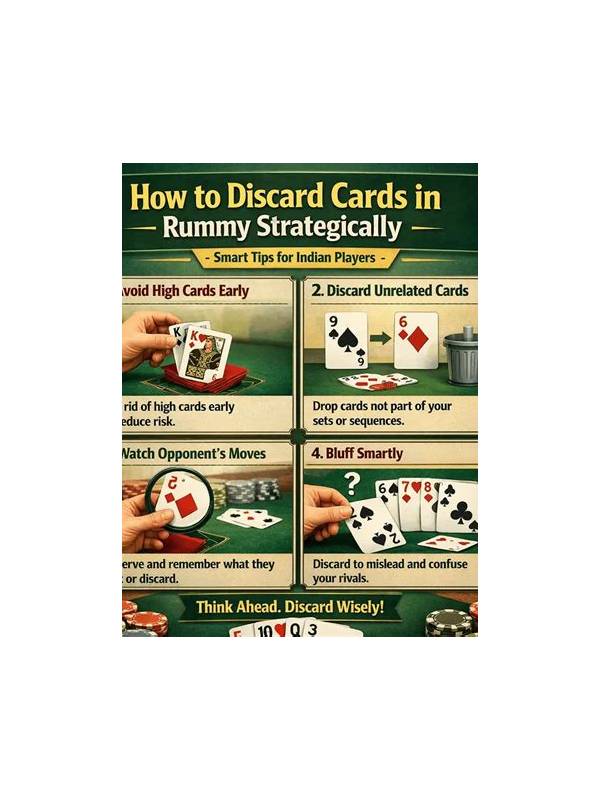
A discard often feels obvious because one card is currently unconnected. Yet a card can be weak now and useful after a single connector arrives. Before removing it, test the decision against three future draws. This does not mean predicting the deck. It is a compact way to measure flexibility without spending too much time on every possibility.
First, imagine the most direct improvement. For a seven and nine in one suit, the eight is the direct connector. If that card arrived, would keeping the pair produce a clean sequence? If yes, the pair has some value. Next, imagine a second improvement that uses a different route. A six might connect to the seven, or a ten might connect to the nine. If several nearby cards help, the structure is flexible. If only one exact card works, the structure is fragile and should be compared carefully with your other options.
The third test asks what happens if none of the imagined cards arrives. This is the most important question. If the hand can still use the cards in a set, another sequence, or a low-cost holding, keeping them may be reasonable. If the cards will remain isolated for several turns, their opportunity cost is high. A plan that needs three lucky draws should not receive the same protection as a plan with multiple exits.
Use the test on the card you might discard, not on every card in the hand. Compare its three-draw picture with the card you would keep instead. A high card that has two possible set partners may be better than a middle card with only one sequence route. The value comes from the number and quality of useful continuations, not from visual closeness alone.
Finally, update the test when public information changes. If a needed rank appears in the discard pile, the route may be less attractive. If opponents repeatedly avoid a suit, uncertainty remains; do not assume their cards are unavailable. The three-draw test is a decision aid, not a probability calculator. It encourages disciplined comparison and makes a discard easier to explain after the hand ends.
There is no need to assign exact odds during the test. “Several useful neighbors” and “one exact rescue” are often enough to separate a flexible plan from a brittle one. Also consider whether the imagined draw would complete a required structure or merely make the cards look nicer. Completion has greater practical value than cosmetic improvement.
Use this exercise in practice with hands from earlier sessions. Make the prediction before looking at the next card, then compare your reasoning with what happened. The lesson is not whether the prediction came true; it is whether your evaluation of routes was consistent and proportionate.
Related Post
Rummy Tips: Use a Small Sample Before Trusting a Pattern
A short, consistent review sample can test a rummy idea without turning a few results [...]
Rummy FAQ: Why Can a Simple Hand Be Difficult?
A hand with few visible patterns can be difficult because uncertainty, timing, and legality still [...]